In this article we’ll look at the arguments and evidence that explain why humans are biologically carnivores, what that means, and why it matters.
Animals fall into three main groups based on what they primarily eat:
- Herbivores — animals that live mainly on plants
- Carnivores — animals that live mainly on meat
- Omnivores — animals that live on both plants and meat
The thing is, the question isn’t just what we can eat and get energy from, but what’s optimal for us — what gives us the most benefit without negative side effects.
For humans, it works like this: meat contains substances we absolutely need, while plants contain none that we can’t do without.
Biology
Human stomach acid is extremely strong (pH 1.4), while other carnivores, like the lion, sit at around pH 2. That puts our stomach closer to hyenas and vultures, which live on carrion and so have to be able to handle meat loaded with bacteria.
For much of our history we behaved the same way. We ate only the leftovers of kills made by bigger, stronger animals — lions or tigers, for example. In a way, we were a lot like hyenas. Stone tools were used to crack open skulls to get at the brain, and bones to get at the marrow.
Our digestive organs work in sync to process the fat in our food. The stomach breaks food down in the process we call digestion. The liver produces bile, which is stored in the gallbladder. The pancreas makes lipase and other enzymes that break fats down into absorbable compounds. Bile emulsifies the fatty acids, which are then absorbed by the small intestine.
So no fewer than five organs work together to process fat, and it’s an energy-intensive process. If fat weren’t important to our bodies, our digestive system probably wouldn’t devote so much coordination, time and energy to it.
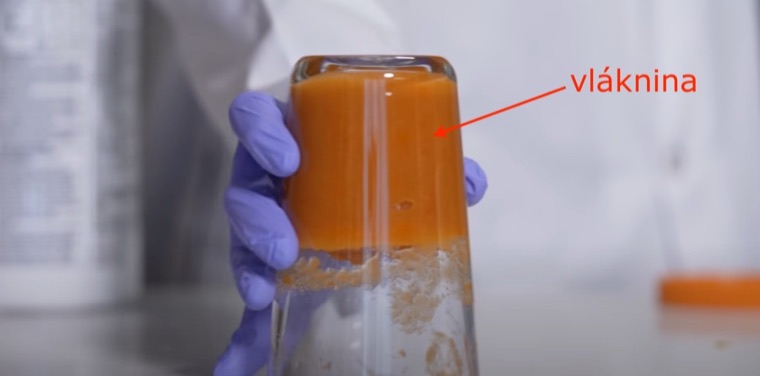
Humans can’t break down fiber. Herbivores get most of their nutrients precisely from breaking down fiber. Strictly speaking, though, it isn’t the animal that breaks it down but the bacteria living in its gut.
Those bacteria feed on fiber, and their waste products are fatty acids, which the gut then absorbs. When the bacteria die and are replaced by new ones, the dead bacteria are absorbed too, and protein is extracted from them.
Even a gorilla, which lives on green leaves, gets up to 70% of its calories from saturated fat — and a cow as much as 80%.
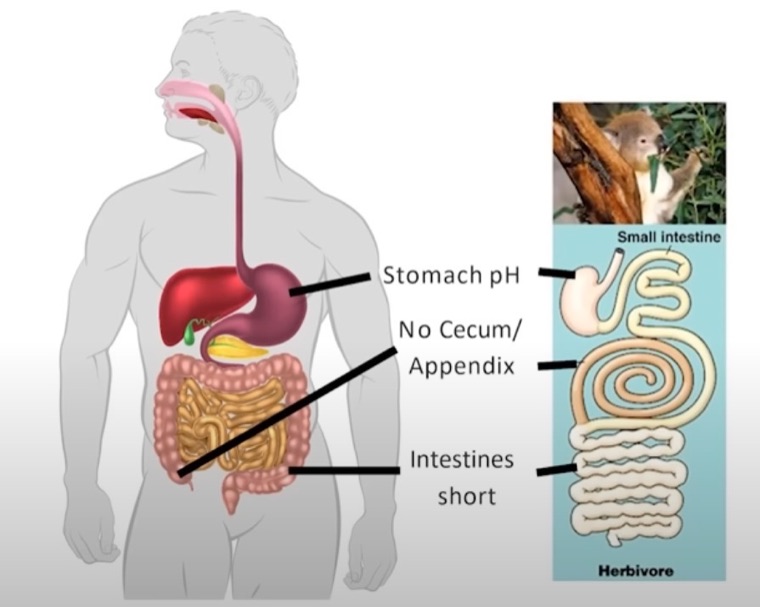
Humans, however, lost the ability to process fiber efficiently through bacteria millions of years ago.
The proof is the appendix (the cecum), which in herbivores is very long and serves as a fermentation chamber for fiber.
Diverticulosis is a disease of the large intestine for which only a few correlating factors have been established (in plain English: things that may well cause it or make it worse):
- higher fiber intake
- more frequent bowel movements during the day
Neither constipation nor a high intake of fat or meat has anything to do with this disease — no association was found.
That’s because fiber irritates the gut and speeds up its peristalsis, since the body is trying to get rid of this foreign substance as fast as it can.
If you want to see what too much fiber does inside your gut, take a look at this video. You may never put another bite of it in your mouth…
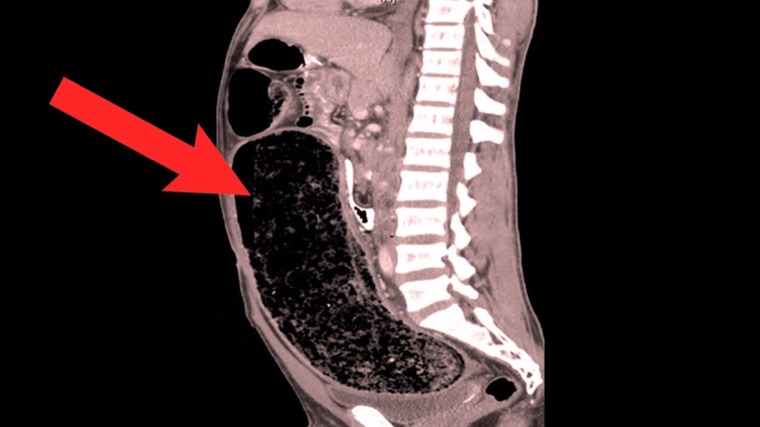
If it’s true, as everyone keeps saying, that fiber is so good for gut health, why do you have to cut it out when your gut gets sick?
If fiber does harm when the gut is diseased, how can it be harmless while the gut is healthy? Couldn’t it be the very cause of these diseases?
I truly don’t understand the medical advice to cut back on fiber during a Crohn’s flare and then bring it right back as soon as you’re in remission.
Leaving fiber out of your diet calms your gut down, and then you irritate it all over again by eating fiber. The vicious circle of an incurable disease…
Luckily, we already know that fiber is nothing but waste. The human body can’t make any use of it; it simply excretes it, because it can’t process it.
Fiber causes tears in the gut lining, increased mucus secretion and inflammatory reactions. Fiber also blocks the absorption of nutrients in the small intestine and keeps the body from making full use of everything we eat.
How can anyone call that a benefit? It’s perverse, but it is a benefit when you eat carbohydrates and don’t want them absorbed quickly into your bloodstream, where they cause a sudden spike in insulin.
But then isn’t it better to drop carbs altogether rather than eat them together with fiber that wrecks your gut?
In 1975 the gastroenterologist Dr. Voegtlin confirmed this approach in his book The Stone Age Diet.
Anatomy
Now let’s look at the striking anatomical differences that are further evidence that humans are carnivores.
1. Teeth
Our teeth have changed dramatically over millions of years. People often say we have flat teeth because they look flat from the front, but in fact they’re ridged (take a look at your molars).
Truly flat teeth are flat across the whole surface and work like millstones for grinding seeds and plant matter.
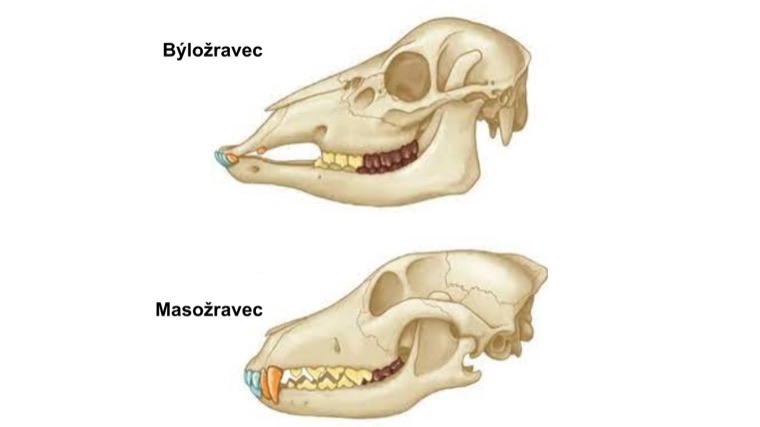
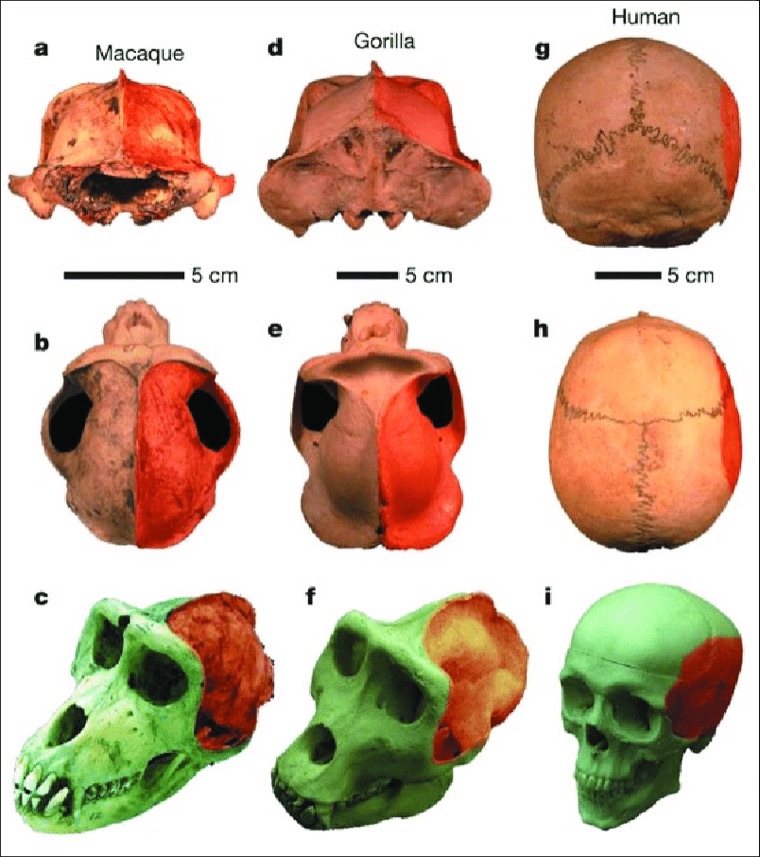
More evidence that we’re carnivores is our small jaws and chewing muscles. Look at the gorilla in the picture. A large part of its head is made up of massive chewing muscles.
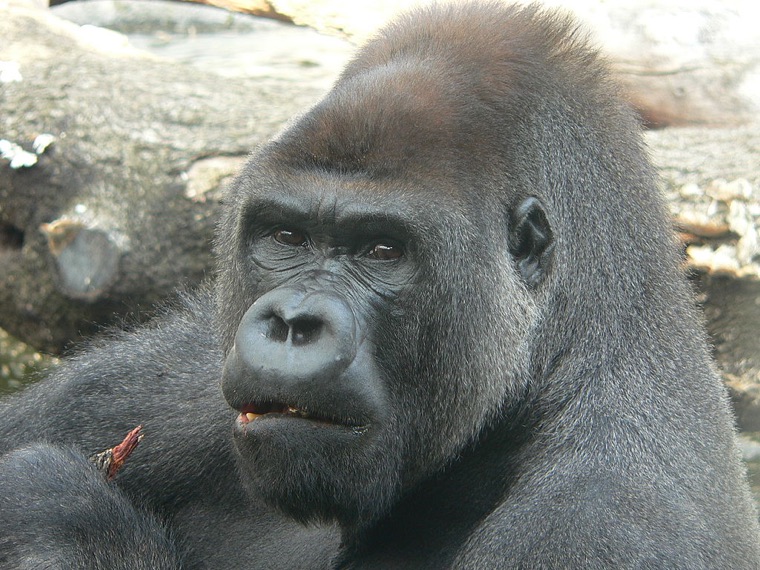
In the gorilla, unlike in humans, the attachments of the chewing muscles cover a large part of the skull. As a result, our chewing muscles are up to ten times smaller and weaker than an ape’s, which explains why we gradually gave up on long hours of chewing raw plant food.
2. Shoulders
Unlike a chimpanzee’s, our shoulders can rotate. That lets us throw stones and spears fast and far (or even the dishes).
3. Eyes
Predators have both eyes facing forward so they can lock onto prey, which they see with both eyes across a wide field of view. Their peripheral vision is limited.
With prey animals it’s exactly the opposite. They see with both eyes only across a narrow range, while their peripheral vision covers a wide field so they can spot a threat and run.
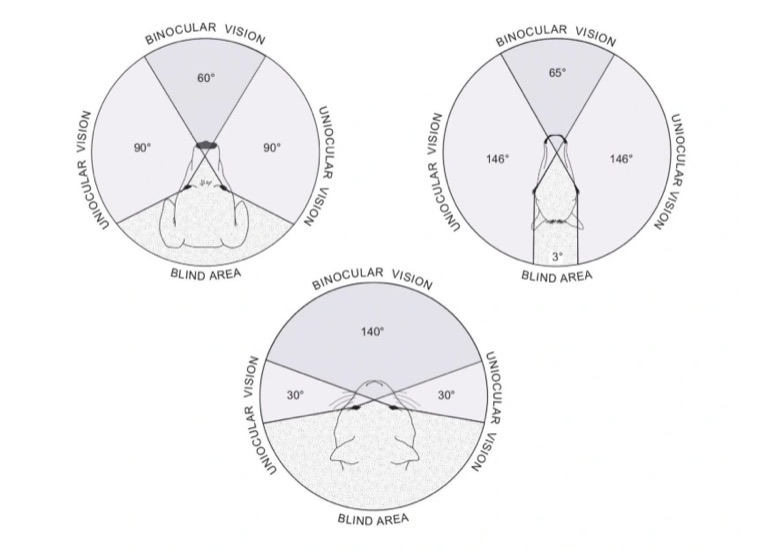
Some argue that we have color vision so we could better tell apart the different plants we used to eat. It’s true that we evolved from herbivores, but there was apparently no reason to lose that evolutionary advantage.
In the same way, apes may simply never have lost the advantage of predator-style eyes even though they eat plants. Perhaps they had no natural predator that would have made it evolutionarily worthwhile to have eyes on the sides of the head.
Likewise, we humans kept the ability (as long as we don’t clench our teeth) to move our jaws from side to side, even though we have no use for it.
Evolution
About 8 million years ago we started eating meat, and as a result we began to adapt in our phenotype as well. We gradually stood more upright and grew taller than our ancestors. Our teeth and jaws got smaller, and our brains got bigger.
We began using tools and weapons to hunt animals that outmatched us physically — in weight, strength and size.
So we had to come up with another way to kill them, and that’s where tools and hunting tactics came in.
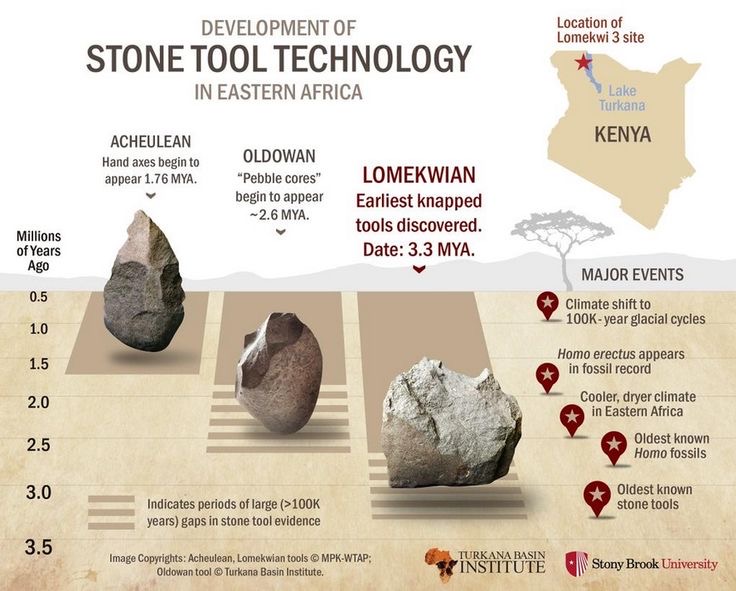
What probably pushed us into pure meat-eating in the end, though, were the ice ages, which began about 2.4 million years ago and ended about 11,500 years ago.
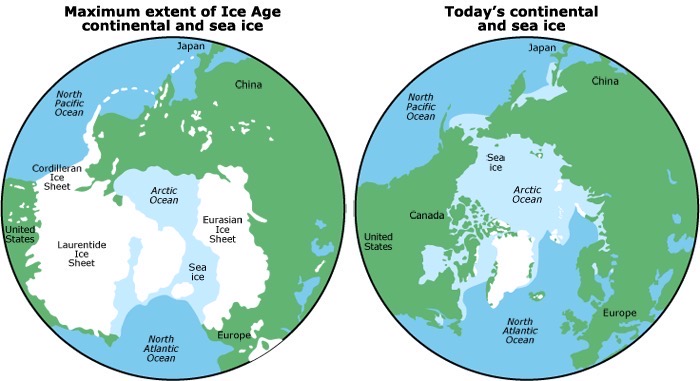
During the very cold periods — there were about 17 of them, and they lasted much longer than the warm ones — only hominids that ate meat could survive. That’s why we had to adapt to an exclusively animal-based diet, which our very existence depended on.
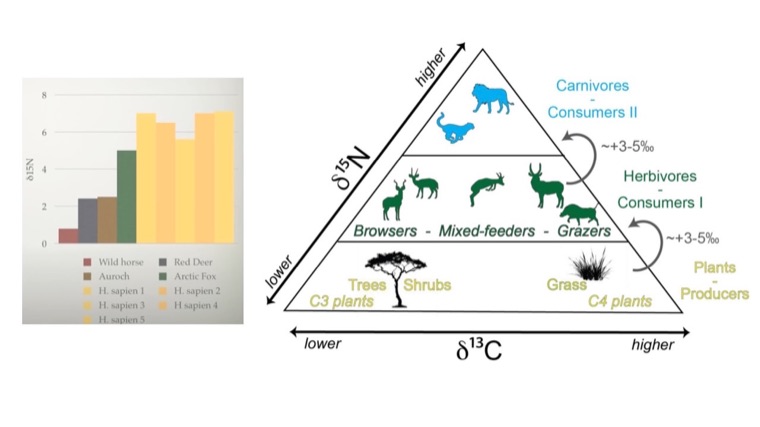
Stable nitrogen isotopes are another argument supporting the hypothesis that Homo sapiens was a predator.
Animals that eat plants carry a certain amount of this stable nitrogen. Animals above them in the food chain take in that stable nitrogen through their meat.
The higher up the food chain we go, the clearer it becomes that our ancestors ranked high for meat consumption compared with other predators in the same area and the same period.
Stable-isotope analysis has even been done on ancient Egyptians (thanks to preserved mummies), and it turned out that, as a result of farming and eating grains, most of them were in rather poor health.
Researchers found atherosclerotic plaques (deposits) inside their arteries. At first, of course, everyone assumed that only the wealthy were mummified, so the clogged arteries had to be linked to a rich diet full of meat and fat.
In the end, though, the isotopes showed that the poor ate a very similar diet (everyone ate grains).
In 2021 Israeli scientists published a study showing that for some 2 million years humans were hypercarnivores who lived mostly on the meat of large animals. That fits nicely with the cold periods of the ice age.
Only after farming arrived did poorly developed jaws and crooked teeth start to appear — the result of not getting enough nutrients from plant sources.
Strong, healthy teeth need a whole range of vitamins and minerals, such as vitamins K1 and K2, calcium and vitamin D.
Crooked teeth are a modern phenomenon. They’re not a genetic problem of a few individuals; the cause is a lack of nutrients.
If you look at the fossil record, it’s obvious that before farming, people had strong, wide jaws, which gave their teeth room to grow in straight.
The fossil record also makes it clear that after farming arrived, people started getting smaller (shorter stature and smaller brains).
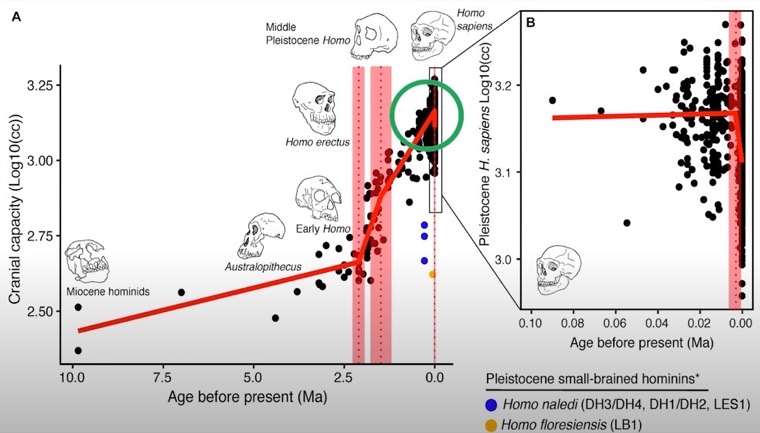
This chart shows beautifully how the human brain gradually grew in size until the point when, under the pressure of a cold climate, we began to favor animal food — and brain growth sped up dramatically.
But notice the green circle, where you can see a sharp break and the brain starts shrinking. That’s the arrival of farming and a high intake of plant food.
Anthropology
If you look at the different peoples of the world, you’ll find plenty who lived primarily on meat. Native Americans, for example, hunted bison by driving them off cliffs. That way they could survive a whole year.
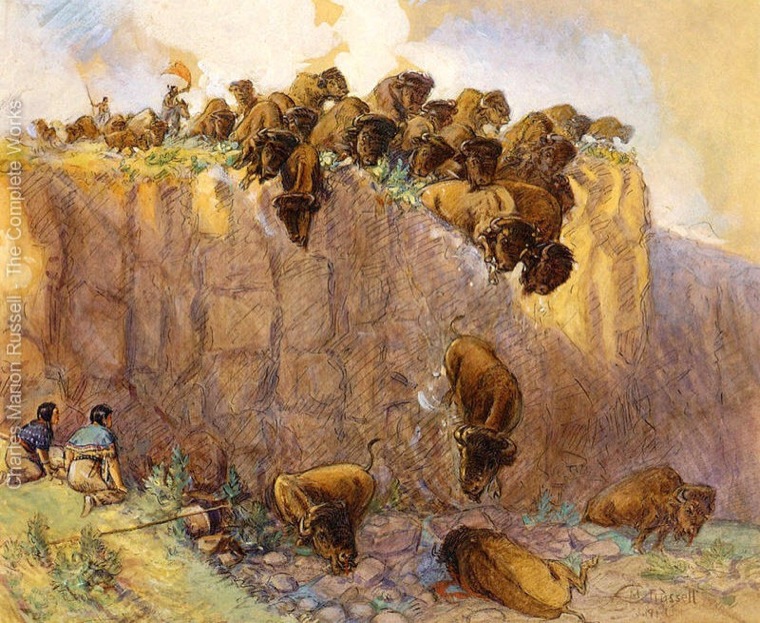
Our ancestors didn’t have the modern technology we have today, yet they were very intelligent and physically fit. Unlike us, they had to learn how to survive in the wild, with no social safety net and no health insurance to protect them.
The Mongol tribes under Genghis Khan lived mostly on horse meat and blood.

It’s said that eating meat gave these warriors the strength they needed for their campaigns across the continent. And thanks to ketosis, they could easily go as long as five days without food.
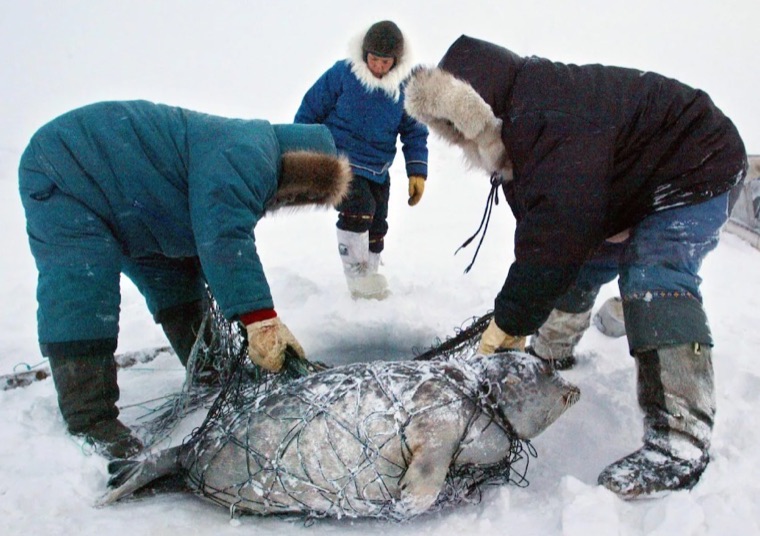
The Inuit live in the northernmost parts of America, where no plants grow. So they don’t have much choice and have to live on meat — yet even during the short summer, when they could get hold of some plant food, they reportedly still prefer meat.
The Maasai are an African tribe who also live mainly on meat, milk and blood. Notice how slim, tall and muscular they are. That’s the meat.

Some argue that their physical condition comes from an active lifestyle, but it turned out they’re not much more active than the average American, and on the whole they live a fairly sedentary life.
Aboriginal Australians are another people whose diet is dominated by animal food.
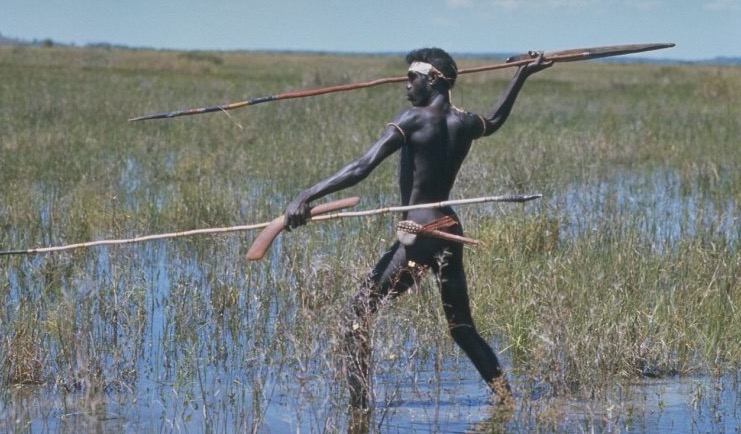
Aboriginal Australians are known to have eaten plants only when they had to, and to have used them mainly as medicine, not as food. Like the Maasai, they were tall and slim.
But as soon as these tribes started eating our modern Western diet, they developed the same health problems we struggle with.

The problem for these people is that they never had the chance to adapt slowly to farming, as other peoples did.
That’s why, once they eat a plant-based diet, the diseases of civilization hit them much harder and faster.
In one interview, Dr. Chaffee said that in Australia it’s common practice to add another 20 years to these people’s actual age, because their bodies age so fast under the influence of sugar, grains and plant toxins.
Metabolism
Fasting — going without food — is the primary metabolic state of all mammals. Wolves don’t prepare for a hunt by downing a carb-loaded sports drink like the average gym-goer. Yet they still have sugar in their blood and glycogen in their muscles.
Wolves spend most of their time in a fasted state, which lets their bodies draw energy from their fat stores.
It’s similar for humans. As soon as you eat carbs, your insulin goes up, and insulin basically shuts your metabolism down.
Calories
Without carbohydrates you burn on average 300 kcal more energy a day. That’s just one more argument that not all calories are equal. It matters a great deal where your energy comes from and what your body does with it.
Carbohydrates, protein and fat are often treated as interchangeable sources of energy. Everyone knows the familiar claim that a gram of carbohydrate or sugar has 4 calories, while a gram of fat has 9.
What does that mean? If our bodies weren’t a complex system of biochemical processes, then eating 1 gram of carbohydrate or 1 gram of protein would give off 4 calories of heat either way.
The whole marketing of sugary drinks is built on this: it doesn’t matter how much you drink, as long as you run it off.
The problem is that carbohydrates trigger completely different metabolic processes in the body than protein does. Carbohydrates get stored as body fat. Protein goes to repair tissue.
Of course, it’s all a bit more complicated than that, but you’re simply not a furnace that burns anything you throw into it with the same result.
Leptin
Another problem with insulin is that it blocks leptin — essentially the signal your brain uses to tell whether you’re hungry.
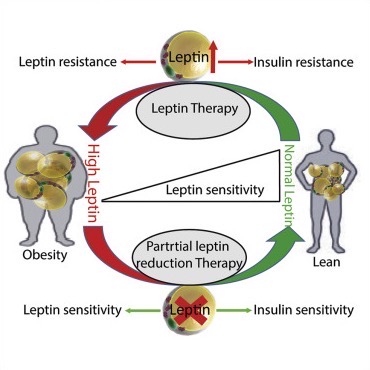
Leptin only works when your fat metabolism is working properly, so if you eat sugars, insulin blocks leptin.
Blood sugar
Thanks to insulin, your blood sugar drops, and thanks to the blocked leptin, your brain thinks you’re starving and about to die. That’s why every three hours you lunge for something to put in your mouth.
But as soon as you eat carbs, you start the whole process over again. Your blood sugar goes up, which triggers an insulin response.
High blood sugar actively damages your body, because glucose molecules can bind to other molecules and destroy them, or cause abnormal, pathological changes in them.
So elevated insulin is really your body’s defensive reaction to a big dose of sugar in your blood.
Cancer
Another problem is cancer, because it has been shown that cancer cells feed mainly on glucose, and they consume about 400 times more of it than normal healthy cells do, because of damaged mitochondria.
Damaged mitochondria can’t regulate cell growth, and that leads to cancer — which is essentially uncontrolled cell growth.
Otto Warburg, who won the Nobel Prize in 1931 for his research on respiration and photosynthesis, believed that if you have healthy mitochondria, you can’t get cancer.
His conclusions were later confirmed by, among others, Prof. Seyfried, who wrote the book Cancer as a Metabolic Disease.
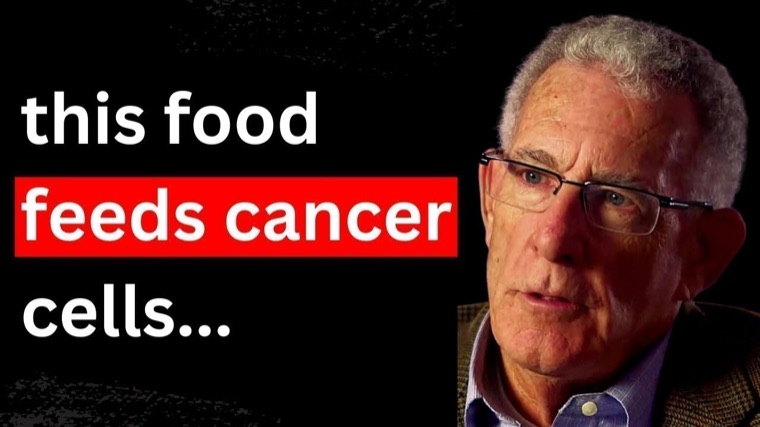
If you look in biochemistry textbooks, you’ll find this is a long-established fact, not some fringe theory.
Professor Seyfried also showed that a keto diet can stop cancer from growing, because it cuts off the supply of glucose to cancer cells.
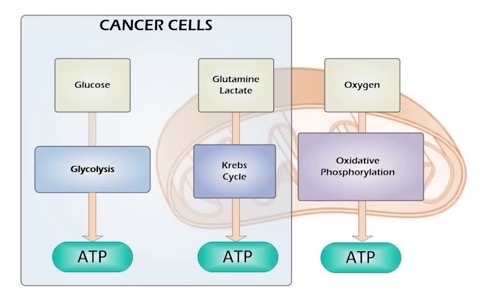
Research shows that the health and efficiency of mitochondria is about four times higher in people on a low-carb diet. People in ketosis also have about four times as many mitochondria in their cells, producing energy in the form of ATP (adenosine triphosphate).
The Hungarian clinic Paleomedicina has for several years been successfully treating patients with cancer, Crohn’s disease and other metabolic diseases using keto and paleo diets.
Plant toxicity
Plants contain large amounts of toxic substances that serve as their defense mechanism, because unlike animals they can neither run away nor fight back with teeth, claws or beaks.
Animals that live on plants usually eat only a handful of species that they evolved alongside. Any other plants would poison them.
That’s why, for example, the panda eats almost nothing but bamboo stems and leaves — but it has to eat up to 38 kg (84 lb) of them a day, because they contain very few nutrients.
The koala specializes in eucalyptus leaves and those of related trees, eating about half a kilo (1 lb) of them a day.
By specializing in one type of plant, these animals have built up resistance to its specific poisons, so even eating it for a lifetime doesn’t harm them.
If we look at it from the cancer angle, it has long been known that something as innocent-looking as Brussels sprouts contains 138 carcinogens.
Unfortunately, you’ll also find studies online claiming that this is actually a good thing and that this vegetable helps fight cancer. Go figure.
But deep down we all know this already. Most of the plants and mushrooms you find in the woods will either upset your stomach, poison you badly, or kill you within a few hours.
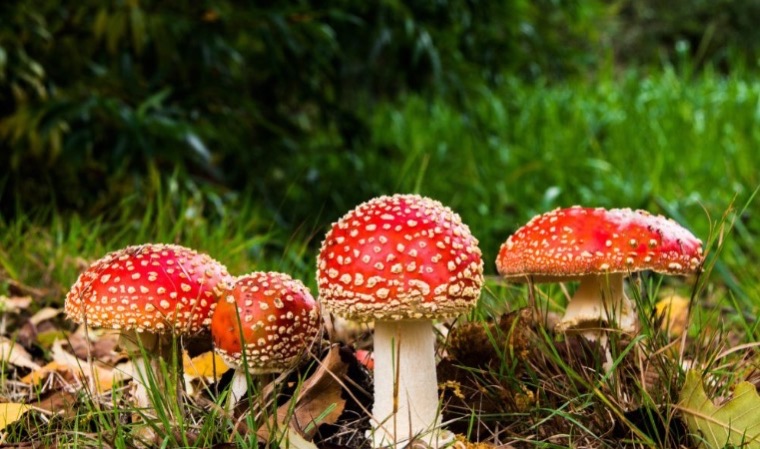
The naive idea that our ancestors ran around the woods gathering vegetables for a salad is completely crazy. Catching a rabbit or a fish in a stream, on the other hand, sounds quite plausible.
Try to find your favorite vegetable in this picture.
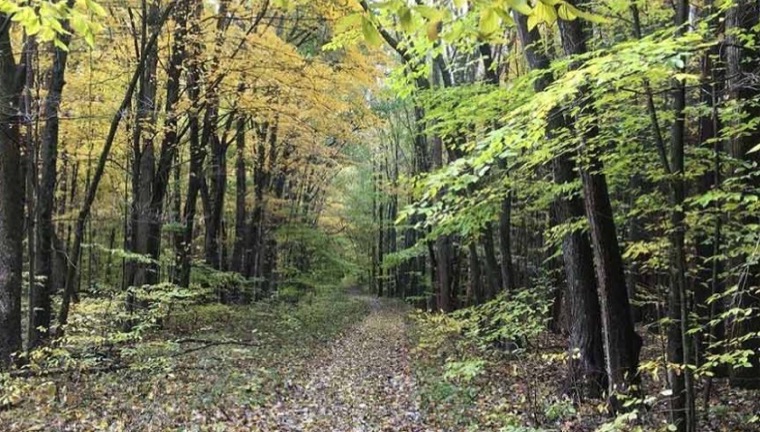
Simply put, plants are trying to kill you. And not just the ones we’ve learned not to eat, like deadly nightshade or poison hemlock, which will kill you on the spot.

The table below gives an overview of the toxins most commonly found in plants and their possible negative effects.
| Toxic substance | Negative effects | Plants |
|---|---|---|
| Alkaloids (in Czech) | – disrupt sugar and fat metabolism – damage DNA – disrupt the transmission of nerve signals | Tomatoes, eggplant, potatoes |
| Cyanogenic glycosides (in Czech) | – release neurotoxic cyanide when the plant is damaged – interfere with normal thyroid function | Peaches, corn, beans, almonds and 2,500 other plant species |
| Lectins (in Czech) and saponins | – cause leaky gut syndrome (in Czech) – cause inflammation – cause autoimmune disease | Wheat (gluten), legumes, beans, peas, lentils, zucchini, peanuts |
| Oxalates | – reduce the absorption of calcium and magnesium – cause kidney stones | Grains, nuts, soy, spinach, chocolate, black tea |
| Phenolic compounds, tannins (in Czech) | – damage the liver and kidneys – reduce iron absorption | Legumes, chocolate, wine, coffee, vinegar, celery, carrots |
| Phytic acid (in Czech) | – reduces the absorption of minerals such as zinc, iron and calcium | Grains, seeds, nuts, potatoes |
| Sulforaphane (in Czech) | – kills healthy cells, destroys mitochondria | Broccoli, cauliflower |
Now you may be thinking: fine, but surely it depends on how much of it I eat. Yes, exactly — but just to illustrate, picture the following.
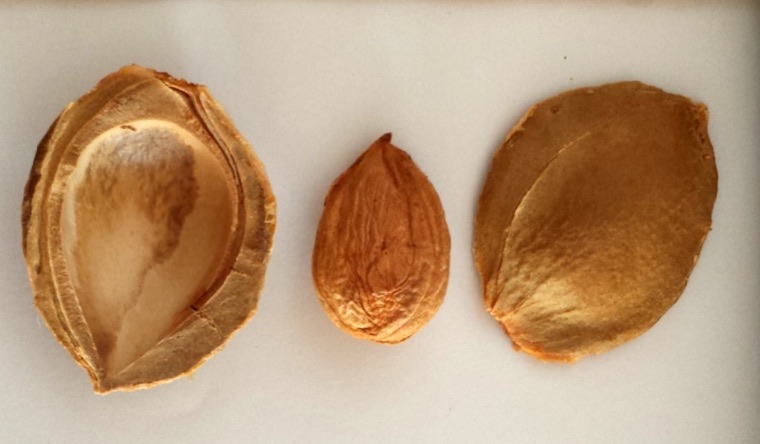
If you cracked open an apricot or peach pit and ate the kernels inside (in some countries they’re called bitter almonds), just a few of them could kill you, because of their high content of cyanide, which is released under pressure — typically when you chew.
100 grams (3.5 oz) of soy contains about 1 million nanograms of phytoestrogens — roughly 30 times as much as a birth control pill. For plants, phytoestrogens serve as a defense against herbivores by limiting their fertility.
For some mysterious reason, though, when it comes to humans most sources recommend eating them for their antioxidant effects. And yet as far back as the end of World War I it was shown that, for example, eating red clover (a substitute for vegetables in times of food shortage) left sheep sterile.
The reason was precisely the large amount of phytoestrogens in red clover. Phytoestrogens were shown to have the same effects on other vertebrates — humans included.
Just for comparison, 100 grams (3.5 oz) of beef from cattle given growth hormones (which have been banned in the EU for a long time anyway) contains about 4 nanograms of phytoestrogens.
Summary
I think we can conclude quite clearly that humans are simply carnivores — from the standpoint of biology, anatomy, evolution, anthropology and metabolism, and for the simple reason that plants don’t want us to eat them.
Plants, like all living organisms, are out to survive and pass their genes on to the next generation. They don’t want to end up in a salad bowl.
Meat is the optimal source of nutrients and energy for humans. That doesn’t mean a person can’t survive on vegetables — it simply isn’t optimal.
But the decision is yours and yours alone. You can either thrive or just survive.