We’ve probably all heard the current “rules” of healthy eating, which prescribe a daily dose of fruit, vegetables, and grains.
The classic food pyramid gets drilled into kids’ heads as early as preschool, where teachers enthusiastically push a “balanced diet” that includes lunches like noodles with poppy seeds and sugar (a Czech school-lunch classic) or, for a snack, hot chocolate with a white bread roll.
Even Aktin, a Czech online store for sports nutrition and health food, has this picture on its blog (in Czech)—the official food pyramid of the Czech Ministry of Health—with this comment: “Although this pyramid was created back in 2005 and is getting a bit long in the tooth, it is still considered the official graphic nutrition guideline. That doesn’t matter at all, though—the information in it still holds.”
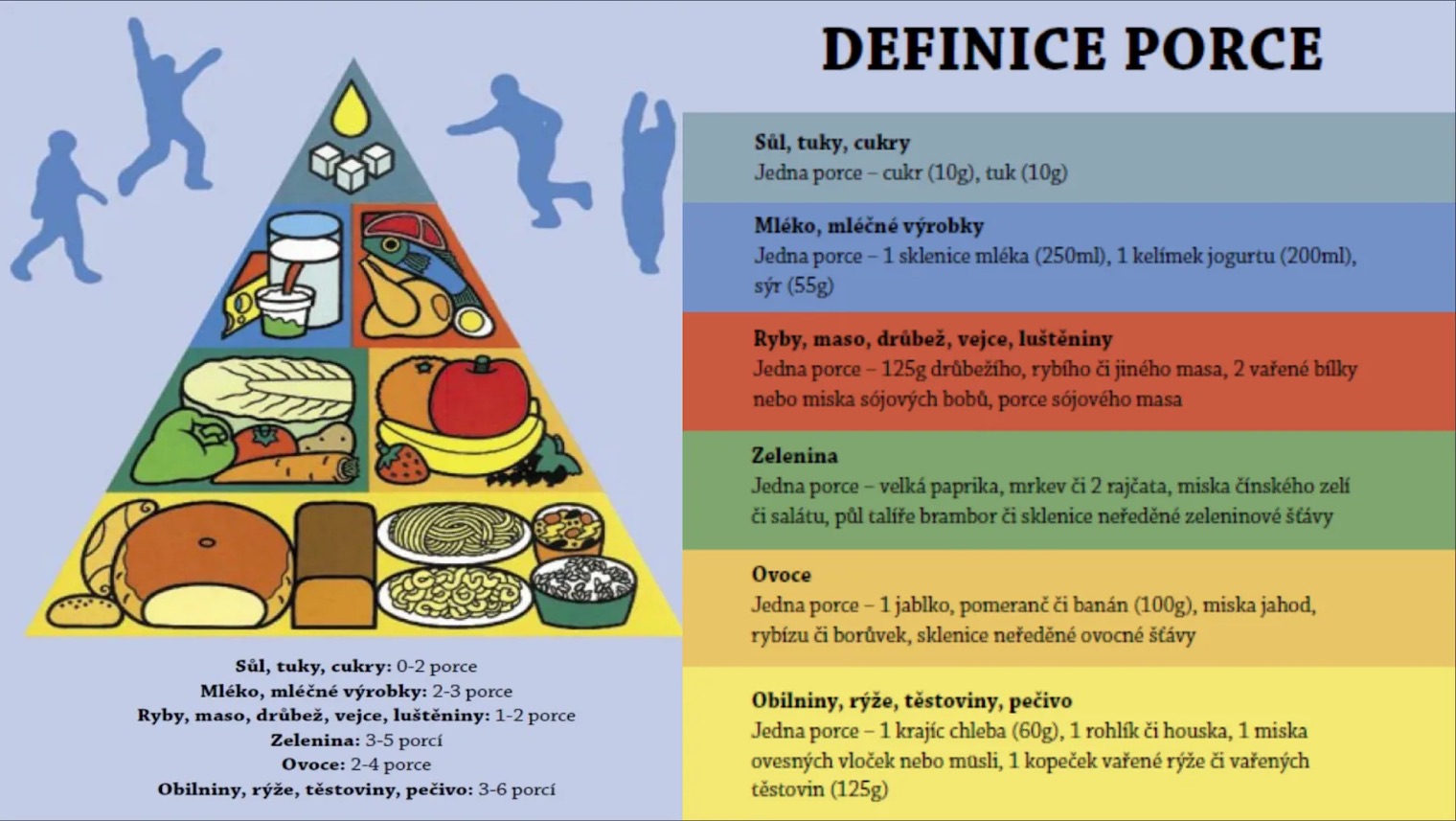
I beg to differ. That information never held, and no worldwide campaign to push unsuitable foods on us is going to change that—but that’s a story for another day.
There is, however, a diet—or better said, a way of eating, and in a sense a whole lifestyle—that turns the classic food pyramid upside down. A diet that says goodbye to all carbohydrates and recommends eating meat and animal products instead. It’s called the carnivore diet.
The name says it all: a carnivore is, at its core, a meat-eater.
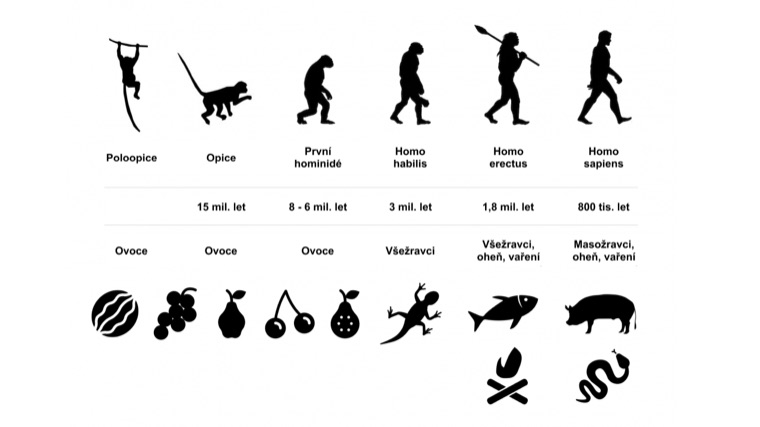
Even though people have been talking about this diet a lot lately, it’s really just a return to our genetic roots, to the hundreds of thousands of years when our ancestors ate a diet based mostly on meat and fat.
But then came the unfortunate era of agriculture, and with it the discovery that plants could be grown, bred, and even eaten without any obvious immediate harm.
So you can think of trying the carnivore diet as a return to the optimal diet that has been encoded in us as a species for millennia.
Let’s look at what exactly happens in your body when you set out on the carnivore path, and how this diet can help you get into better physical and mental shape, or even ease the symptoms of various autoimmune diseases.
What is the carnivore diet?
Unlike the varied diet we’ve been told to eat for decades, the carnivore diet is very monotonous. In its simplest form, it’s nothing but beef, salt, and plain water.
This extreme version is sometimes called the lion diet, and for people struggling badly with an autoimmune disease it’s recommended as a starting elimination diet.
I stuck to this lion diet, plus eggs, for about seven months, and only recently started experimenting with butter and cream.
Either way, every version of the carnivore diet means animal foods and nothing else—really no fruit, no vegetables, no bread, no pasta, rice, or potatoes, no nuts. Only animal meat, and optionally eggs and dairy.
As I said at the start, this way of eating is based on the idea that our ancestors lived mainly by hunting mammals and fish. Don’t believe me? Try picking blueberries or tomatoes in a Finnish forest in winter.

Another factor in choosing food was surely the time it took to get it and how much energy it yielded (in kilocalories per hour). Take a look at the table below, which is based on this study, and notice that the first seven items are all animal foods.
Of course, it only lists the animals and plants our ancestors actually had access to, so don’t be surprised that zucchini, tomatoes, or watermelon aren’t in it.
| Food | Type | Yield (kcal/hour) |
|---|---|---|
 | Animal | 65,000 |
 | Animal | 16,000–32,000 |
 | Animal | 13,500–15,400 |
 | Animal | 9,000–10,800 |
 | Animal | 7,000 |
 | Animal | 7,000 |
 | Animal | 5,400–6,300 |
 | Plant | 1,200–6,300 |
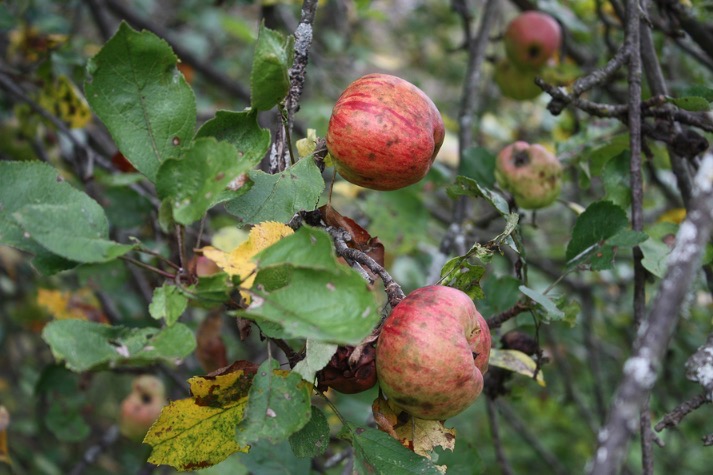 | Plant | 900–6,000 |
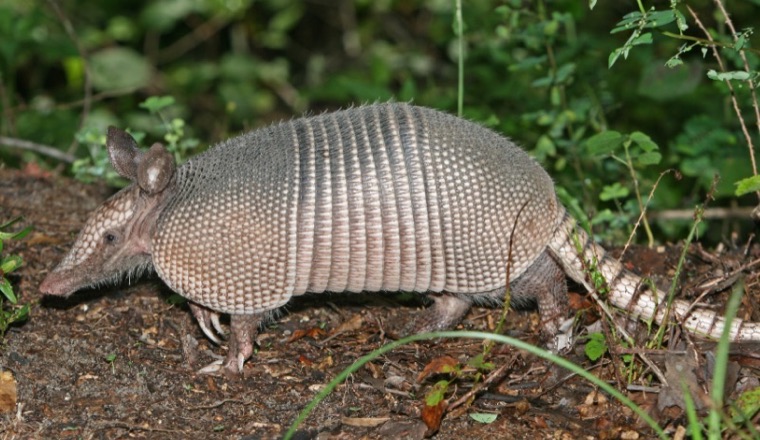 | Animal | 5,900 |
 | Animal | 5,900 |
 | Animal | 4,800 |
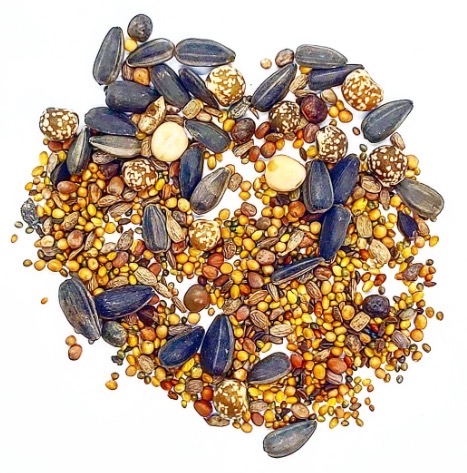 | Plant | 500–4,300 |
 | Animal | 4,200 |
 | Plant | 3,300 |
 | Animal | 2,000–2,700 |
 | Animal | 1,500–2,400 |
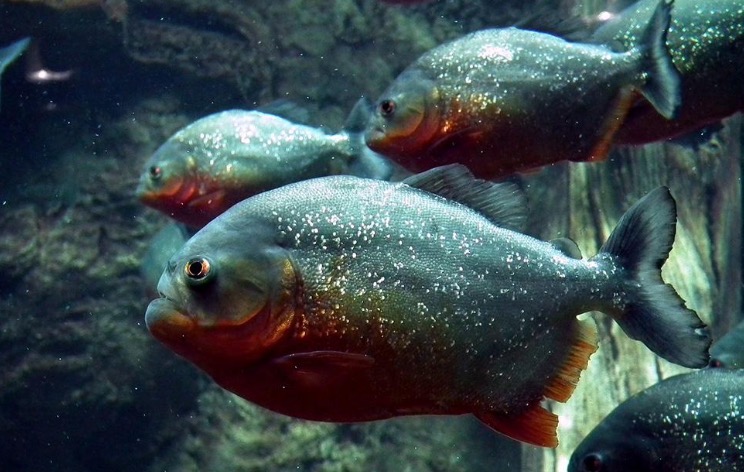 | Animal | 2,100 |
 | Plant | 1,500 |
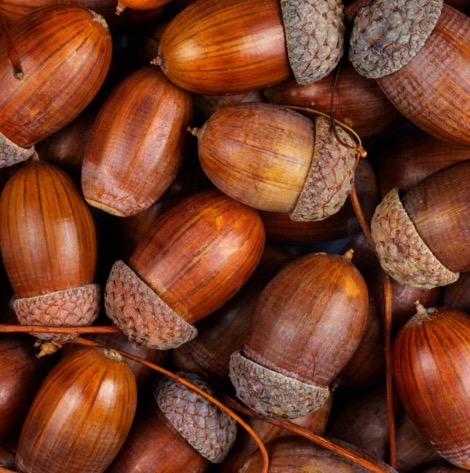 | Plant | 1,500 |
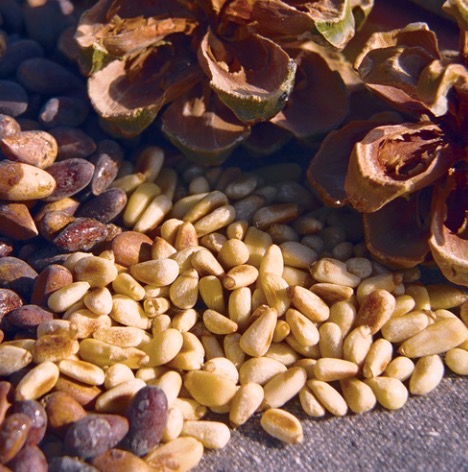 | Plant | 800–1,400 |
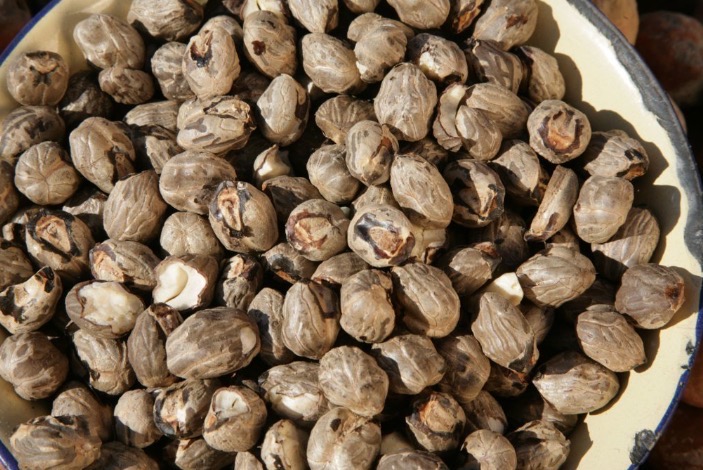 | Plant | 1,300 |
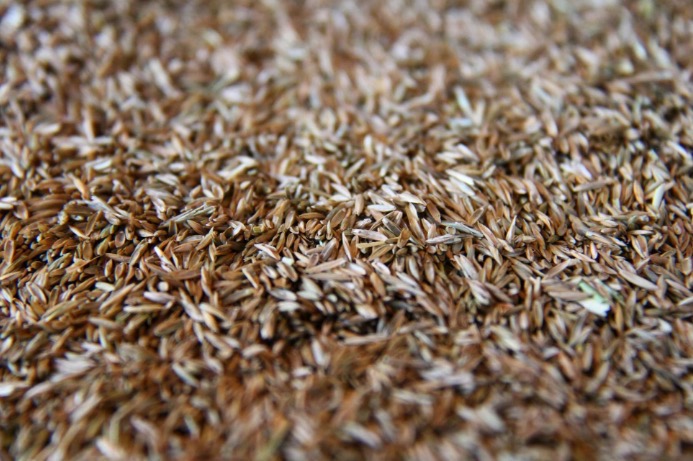 | Plant | 100–1,300 |
The evolutionary advantage of eating meat lies mainly in the fact that it gets you far more calories per hour.
Someone might object: what evolutionary advantage, when there are plenty of herbivores, like cows, that live on plants alone? The catch is that these animals have a completely different digestive system from ours.
What are the health benefits of the carnivore diet?
The carnivore diet has been linked to a whole range of health benefits. Let’s go through them together.
1. The carnivore diet can improve insulin sensitivity
Insulin is the hormone responsible for moving glucose from the blood into cells, where it’s either used for energy or stored as fat.
If you regularly eat carbohydrates, and especially simple sugars that raise your blood sugar, your cells gradually become less sensitive to insulin. This is called insulin resistance.
Reduced insulin sensitivity sets off a domino effect of increased inflammation and disrupted key hormones. And that is linked to the development of chronic disease.
But if you cut out carbohydrates and stick to the carnivore diet, you can restore your cells’ ability to respond to insulin, and after a while even get rid of insulin resistance completely.
You can read more about insulin resistance in chapter 16 of my book (in Czech).
2. The carnivore diet can help you lose weight
The carnivore diet is a proven, safe way to lose excess pounds. There are several reasons why eating meat works so well for weight loss:
- Leptin
- Ghrelin
- HGH
- Better use of stored fat: Even if you aren’t in ketosis all the time, you run on ketones most of the time, which improves your body’s ability to burn stored fat.
3. The carnivore diet can reduce inflammation
The carnivore diet can significantly reduce markers of systemic inflammation. This is probably down to these factors:
- Removing potentially irritating plant foods from your diet can bring an immediate improvement in symptoms of inflammation.
- High blood insulin promotes inflammation, so lowering blood sugar, and with it insulin, has an anti-inflammatory effect.
- Omega-3 fatty acids have very strong anti-inflammatory properties.
- The carnivore diet supports the digestive system, which plays a critical role in keeping inflammation in check.
The ability to reduce inflammation is one of the key factors that makes the carnivore diet such a powerful tool for treating autoimmune disease.
4. The carnivore diet helps heal the gut
The health of your digestive system rests on two main factors:
- The integrity of the gut lining: The lining of the gut works as a tight barrier. But when it’s damaged, substances from the gut can get into the bloodstream.
- The microbiome: Your gut is home to millions of microorganisms that form a very delicate ecosystem, one that is key to the health of your whole body.
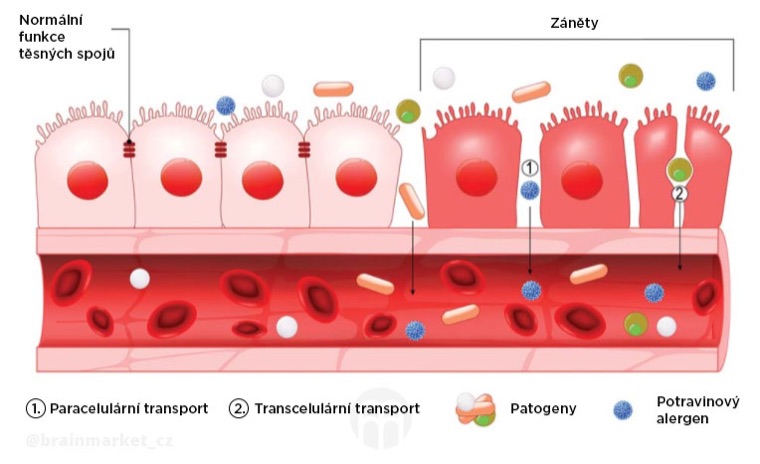
The carnivore diet is full of beneficial substances such as glutamine, collagen, and omega-3 fatty acids, which help your body repair and strengthen the gut lining.
If you remove the troublemakers from your diet—fiber, gluten, fermentable carbohydrates, and plant toxins—you prevent irritation and the overgrowth of harmful bacteria in your digestive tract.
5. The carnivore diet boosts libido and testosterone
The standard Western diet and lifestyle are a perfect way to tank your testosterone and libido. A high intake of sugar and refined seed oils, combined with too little physical activity and excess weight, creates a vicious circle that leaves us with no energy, no vitality, and no libido.
The carnivore diet, on the other hand, contains a whole range of nutrients, such as cholesterol, protein, and vitamin D, that are the foundation for producing and synthesizing healthy levels of testosterone. On top of that, it’s almost impossible not to shed excess fat when you eat meat, which further strengthens the effect of testosterone and boosts libido.
6. The carnivore diet helps you think more clearly
Inflammation is to the brain what kryptonite is to Superman. It dulls the senses, feeds feelings of depression and anxiety, and makes mental disorders worse.
The carnivore diet reduces inflammation by cutting out sugars, refined oils, and other carbohydrates, which helps improve your mental state.
What’s more, eating meat means you can be sure your brain gets enough of the nutrients it needs:
- zinc
- vitamin B6
- vitamin B12
- iron
- DHA fatty acids
7. The carnivore diet helps fight chronic disease
Long-term inflammation is considered the root cause of most chronic diseases. Because the carnivore diet reduces inflammation, it can help prevent these diseases and keep them from getting worse.
These include, for example:
- cardiovascular disease
- autoimmune disorders
- metabolic disorders
- cancer
- neurodegenerative diseases such as dementia or Alzheimer’s
- infertility
The carnivore diet is an effective tool in fighting these diseases and improving your overall health.
8. The carnivore diet gives you more energy
Thanks to certain farming practices, an ever-growing toxic load, and the modern carb-heavy diet full of leavening agents, preservatives, colorings, and thickeners, many people suffer from nutrient deficiencies and high inflammation. And that leads to fatigue and low energy.
The carnivore diet removes the inflammatory foods that drain your energy and replaces them with food that is packed with nutrients and gives you energy instead. The carnivore diet raises your intake of omega-3 fatty acids, protein, ketones, B vitamins, and carnitine.
9. The carnivore diet can improve your skin
You’ve probably seen ads telling you that for healthy, beautiful skin you need to buy the most expensive creams and moisturizers. The truth is that it all starts on the inside. Your skin is your largest organ, and the quality of your diet shows directly in how your skin looks.
Thanks to all the nutrients it provides, the carnivore diet can improve skin problems such as:
- acne
- wrinkles
- dry patches
- eczema
- redness
10. The carnivore diet helps you sleep better
Good sleep is the foundation of health. Without enough of it, you simply can’t function at your best. The carnivore diet eliminates the swings between high and low blood sugar that are behind insomnia. It also contains substances that help your body release hormones such as melatonin.
What exactly can I eat on the carnivore diet?
The carnivore diet is extremely simple. You don’t have to count calories or weigh your food. You don’t have to figure out whether a food is allowed or not, because practically everything is off-limits except:
- meat (any kind, including beef, pork, poultry, and game)
- fish and seafood
- organ meats
- bone marrow and bone broth
- lard
The basis of the carnivore diet is simply meat and salt. Poultry is definitely allowed, but don’t overdo it: compared with beef, salmon, or game, it has a poorer nutrient profile and lower-quality fat (chicken liver is the exception).
Foods to avoid on the carnivore diet
The carnivore diet is built on meat, so anything that isn’t meat is out, above all:
- fruit
- vegetables
- vegetable oils
- grains such as rice, oats, and wheat
- flour and anything made from it, such as bread, pasta, and pastries
- chocolate
Sausages, salami, and other processed meats are technically meat, but they’re full of unhealthy additives, so they don’t belong on your menu. Your main source of food should be a good, honest local butcher.
You may be thinking something doesn’t add up: cutting out sugar and starchy sides makes sense, but fruit and vegetables are healthy, right? Unfortunately not, and I’ll explain why right now.
The downsides of a plant-based diet
Everywhere you look, you see, hear, and read about how healthy fruit and vegetables are. English-language websites copy the same nonsense from one another, and when they want to look a bit more credible, they cite epidemiological studies. Czech websites, in turn, blindly copy the English-language ones, links and all.
Behind plant-based eating, vegetarianism, and veganism stands a lobby so massive that it even gave us a Netflix documentary that is a total heap of nonsense: The Game Changers. Just look at the celebrities who backed it (James Cameron, Arnold Schwarzenegger, Jackie Chan, Lewis Hamilton, Novak Djokovic), and it becomes clear that this worldwide madness isn’t going away anytime soon.
The problem is that we’re living through the same paradox that played out before, when fear of fat made us start eating sugar, and after a while we found we had a global obesity problem.
At the same time, we replaced animal fats with industrially produced seed oils, only to find out later that they cause cancer.
Now we’re in the phase of replacing meat with chemical cocktails called Impossible Meat or Beyond Burger and washing them down with Mana (in Czech), a Czech meal-replacement drink along the lines of Soylent or Huel—only to find out after a while that, on top of obesity and cancer, we now have more autoimmune diseases as well.
Just look at the ingredient lists of these food substitutes, and any sensible person has to find it at least suspicious that they’re supposed to have anything to do with a healthy diet.
Mana, for example, contains soy (oxalates), rice (starch), maltodextrin (a sexy name for sugar), inulin (a fiber—post in Czech), and canola, sunflower, oat, and flaxseed oil (an industrially produced substance that has to be deodorized and artificially colored before anyone can eat it).
Setting aside that plants also contain substances that are, in theory, good for us—but thanks to fiber we can barely absorb them—what they contain above all is a large amount of toxins they use to defend themselves and fight for survival. Unlike animals, they don’t have legs to run away.
Natural plant toxins include, for example:
- lectins
- phytates
- oxalates
- alkaloids
- glycosides
- tannins
Of course, the human body can cope with small amounts of toxins, and some food preparation methods (cooking, fermenting) help reduce their harmful effects.
But modern nutrition guidelines urge us to eat large amounts of fruit and vegetables. Even Mark Sisson, the author of the popular book The Primal Blueprint, rode the salad-mania wave as part of his Paleo approach and promoted a big bowl of salad twice a day.
I had my own salad period too: for about a year, I ate almost nothing for lunch and dinner but spinach, arugula, lamb’s lettuce, nuts, eggs, and olive oil.
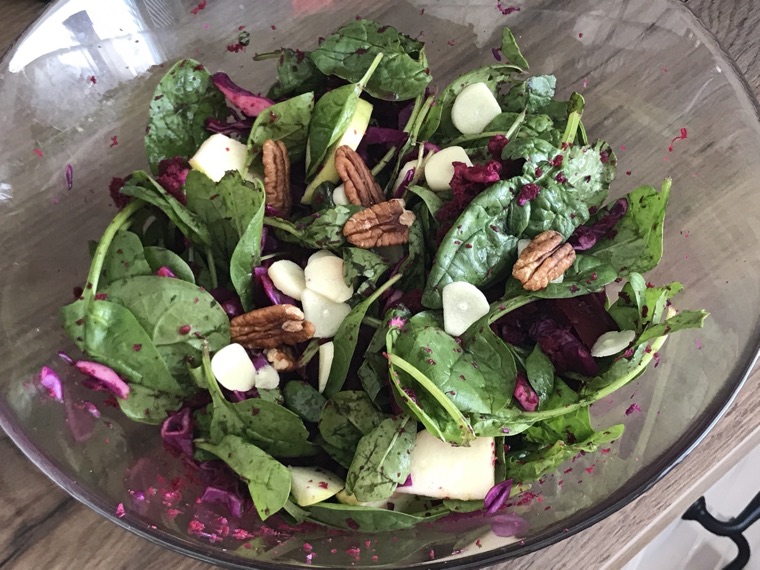
Today I can only guess whether such an intense, targeted dose of toxins could have been behind the breakdown of my immune system and the onset of Crohn’s disease.
It’s estimated that Americans eat about 1.5 grams of these naturally occurring toxins a day on average, in the form of fruit, vegetables, grains, nuts, and baked goods.
The table below gives you an overview of the most common plant toxins and their possible harmful effects.
| Toxin | Possible harmful effects | Found in |
|---|---|---|
| Alkaloids (in Czech) | – disrupt the metabolism of sugars and fats – damage DNA – disrupt the transmission of nerve signals | Tomatoes, eggplant, potatoes |
| Cyanogenic glycosides (in Czech) | – release neurotoxic cyanide when the plant is damaged – interfere with normal thyroid function | Peaches, corn, beans, almonds, and 2,500 other plant species |
| Lectins (in Czech) and saponins | – cause leaky gut syndrome (in Czech) – cause inflammation – cause autoimmune disease | Wheat (gluten), legumes, beans, peas, lentils, zucchini, peanuts |
| Oxalates | – reduce the absorption of calcium and magnesium – cause kidney stones | Grains, nuts, soy, spinach, chocolate, black tea |
| Phenolic compounds, tannins (in Czech) | – damage the liver and kidneys – reduce iron absorption | Legumes, chocolate, wine, coffee, vinegar, celery, carrots |
| Phytic acid (in Czech) | – reduces the absorption of minerals such as zinc, iron, and calcium | Grains, seeds, nuts, potatoes |
| Sulforaphane (in Czech) | – kills healthy cells, destroys mitochondria | Broccoli, cauliflower |
How much should I eat on the carnivore diet?
One of the biggest advantages of the carnivore diet is that you don’t have to count calories and you’re never hungry. You simply let your body tell you when it’s had enough.
Most carnivores gradually settle at 0.5 to 1 kg (roughly 1 to 2 lb) of meat a day, but most of them don’t weigh their food; they eat by hunger and fullness. Right now I’m at 750 grams (about 1.65 lb) of ground beef, which I round out with marrow-bone broth, butter, and cream.
Eating enough fat is essential. As long as I avoided fat, I had digestive problems; as soon as I added fat, everything quickly got better.
If you eat enough fatty meat, or add bone broth and butter, you won’t end up eating more protein than you need, protein that would otherwise get turned into sugar.
The carnivore diet is, above all, about freedom: no counting calories or weighing food, no watching the clock to see when you’re allowed to eat. The basics are plenty of fat and enough protein, and the rest falls into place over time. If you have digestive trouble, try cutting back on protein and adding fat.
When should I eat on the carnivore diet?
There’s no optimal time to eat. Just follow your body’s signals and eat when you’re hungry. That said, the carnivore diet pairs very well with another approach to eating called intermittent fasting.
For a lot of people, combining the carnivore diet with fasting seems to bring the best results, especially when it comes to shedding extra pounds.
I did intermittent fasting for several years, but that was back when I was eating large amounts of raw vegetables and fish. On the carnivore diet with Crohn’s disease, I couldn’t get enough energy into myself in two meals, so I eat three times a day: at 6 a.m., noon, and 6 p.m.
It’s individual, and there’s no point in stressing over it. Just eat when you’re hungry; your body will tell you. And if you don’t have the time or the appetite for a meal, nothing bad happens either.
A carnivore meal plan and shopping list
Planning meals and shopping on the carnivore diet is extremely easy—nothing could be simpler. Here are my tips if dairy doesn’t give you trouble; if it does, just replace it with more broth.
1. Ground beef
I eat 750 grams (about 1.65 lb) of ground beef a day. I buy it at Tesco (a supermarket chain) with at least 20% fat—what Americans would call an 80/20 blend. I tried 10%, but it’s more expensive and, above all, harder for me to digest.
It comes in 500-gram (about 1.1 lb) tubs, so a day’s worth is one and a half tubs. I buy the meat every weekend and stick it in the freezer. Every evening I take out the next day’s portion and leave it on the counter, put it in the fridge before bed, and in the morning it’s ready.
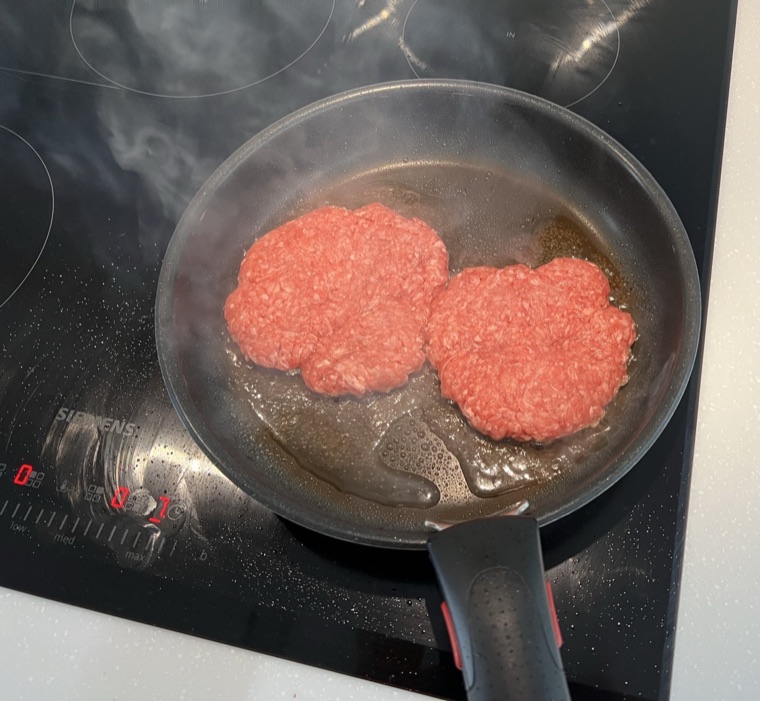
I make two smaller patties and toss them into a pan with lard. I cook them for 2 minutes per side, then salt them and add a generous slice of butter.
2. Butter
At first I was afraid of butter, but now, two months in, I can say it doesn’t cause me any problems. Butter does contain lactose, which is a sugar, but only a tiny amount, and on such a monotonous diet it really brings out the flavor of the meat.
If butter doesn’t make you feel bad, go ahead and add it to your diet. Especially if you’re struggling with low weight and need to gain. Thanks to butter, broth, and cream, I went from 80 to 86 kg (176 to 190 lb) in two months.
3. Marrow-bone broth
Once a week I make a batch of broth in big pots that I keep in the fridge. The base is beef marrow bones from Makro (a wholesale warehouse store, think Costco), beef shank, water, and salt. I cook the bones and shank in a pressure cooker. After an hour it’s done; I scoop the marrow out of the bones and blend it with the shank into a smooth soup.
I have broth twice a day, with lunch and dinner. The upside is that you get fluids into you, and above all lots of minerals and fat, in an easily digestible liquid form.

4. Cream
I searched for a long time for a sour cream with as little sugar and as much fat as possible, and in the end I found this one at Makro: a crème fraîche from Bohemilk with 36% fat.

I have it twice a day: in my scrambled eggs in the morning, and as dessert after dinner in the evening. I eat 200 grams (about 7 oz) a day.
5. Eggs
For breakfast I make two scrambled eggs in lard and stir 100 grams (about 3.5 oz) of the cream into them. I used to experiment with boiled eggs too. For a while I ate 12 a day, but I didn’t feel my best.
Two eggs suit me perfectly, and together with the cream they make a perfect breakfast.
Does the carnivore diet cause nutritional deficiencies?
If you eat a balanced carnivore diet, then definitely not. If you strictly stuck to a single type of meat (especially without enough fat), you could, in theory, end up short on some nutrients and minerals.
Then again, even someone like Shawn Baker says he eats only beef steaks and the occasional egg. Paul Saladino used to heavily promote the so-called nose-to-tail approach, which held that it was essential to include organs such as liver or heart in your diet.
Not everyone has the stomach for that, but luckily there are plenty of supplements with dried organs in capsules. I personally don’t think eating organs is necessary, in any form.
In Saladino’s case, I see it more as a marketing move, because he was heavily promoting his friend, who became famous under the nickname Liver King and who recently admitted he had been lying to everyone when he claimed he didn’t take steroids.
Saladino went completely off the rails when he started heavily promoting fruit as part of the carnivore diet.
As you can see, the waters of carnivore eating are still fairly uncharted, but after hundreds of hours of lectures, interviews, and podcasts, I can recommend doctors and scientists who sound, at the very least, very reasonable and back up their claims with credible sources.
These certainly include Shawn Baker himself, as well as Ken Berry, Anthony Chaffee, Paul Mason, and Bart Kay.
Our digestive tract works exactly the same way as it did in our meat-eating ancestors. We’re simply built not just to survive but to thrive on the most nutrient-rich food on earth, and that food is meat.
The next two tables show how our digestive tract is adapted to a meat-based diet, and how many nutrients meat contains.
| Human | Wolf | Sheep | |
|---|---|---|---|
| Teeth | – incisors in both jaws – ridged molars – small canines | – incisors in both jaws – ridged molars – large canines | – incisors in the lower jaw – smooth molars – no canines |
| Jaws | – vertical movement – tearing and crushing – chewing: minor function – chewing the cud: never | – vertical movement – tearing and crushing – chewing: minor function – chewing the cud: never | – rotary movement – grinding – chewing: important function – chewing the cud: important function |
| Stomach | – capacity: 2.2 liters (2.3 qt) – emptying time: 3 hours – rest between meals: yes – bacteria present: no – protozoa present: no – stomach acidity: strong – cellulose digestion: no – digestive activity: weak | – capacity: 2.2 liters (2.3 qt) – emptying time: 3 hours – rest between meals: yes – bacteria present: no – protozoa present: no – stomach acidity: strong – cellulose digestion: no – digestive activity: weak | – capacity: 32 liters (8.5 gal) – emptying time: never empty – rest between meals: no – bacteria present: yes, vital – protozoa present: yes, vital – stomach acidity: weak – cellulose digestion: 70%, vital – digestive activity: strong, vital |
| Colon / cecum | – colon length: short – cecum length: very short – cecum function: none – appendix: vestigial – rectum: small – digestive activity: none – cellulose digestion: none – bacterial flora: putrefactive – nutrient absorption: none – stool: small and firm – undigested food in stool: rare | – colon length: short – cecum length: very short – cecum function: none – appendix: none – rectum: small – digestive activity: none – cellulose digestion: none – bacterial flora: putrefactive – nutrient absorption: none – stool: small and firm – undigested food in stool: rare | – colon length: long – cecum length: long – cecum function: vital – appendix: functional part of the colon – rectum: capacious – digestive activity: vital – cellulose digestion: 30%, vital – bacterial flora: fermentative – nutrient absorption: vital – stool: bulky – undigested food in stool: large amounts |
| Gallbladder | – size: well developed – function: strong | – size: well developed – function: strong | – size: often absent – function: weak / absent |
| Digestion | – pancreas: exclusively – bacteria: none – protozoa: none – overall efficiency: 100% | – pancreas: exclusively – bacteria: none – protozoa: none – overall efficiency: 100% | – pancreas: partly – bacteria: partly – protozoa: partly – overall efficiency: 50% or less |
| Eating habits | – feeding frequency: intermittent | – feeding frequency: intermittent | – feeding frequency: continuous |
| Survival without | – stomach, colon, and cecum: possible – microorganisms: possible – plant food: possible – animal protein: impossible | – stomach, colon, and cecum: possible – microorganisms: possible – plant food: possible – animal protein: impossible | – stomach, colon, and cecum: impossible – microorganisms: impossible – plant food: impossible – animal protein: possible |
| Body length to whole digestive tract / small intestine | 1:5 / 1:4 | 1:7 / 1:6 | 1:27 / 1:25 |
| Liver (100 g) % RDA | Eggs (200 g) % RDA | Steak (500 g) % RDA | Total % RDA | |
|---|---|---|---|---|
| Vitamin A | 2,200% | 56% | 8% | 2,264% |
| Vitamin B1 | 23% | 18% | 40% | 81% |
| Vitamin B2 | 218% | 52% | 65% | 335% |
| Vitamin B3 | 112% | 36% | 260% | 408% |
| Vitamin B5 | 132% | 54% | 25% | 211% |
| Vitamin B6 | 60% | 16% | 60% | 136% |
| Vitamin B7 | 75% | 50% | 15% | 140% |
| Vitamin B9 | 60% | 32% | 5% | 97% |
| Vitamin B12 | 2,000% | 134% | 820% | 2,954% |
| Vitamin C | 22% | 0% | 0% | 22% |
| Vitamin D | 2% | 30% | 9% | 41% |
| Vitamin E | 2% | 34% | 20% | 56% |
| Vitamin K2 | 127% | 138% | 95% | 360% |
| Sodium | 4% | 20% | 20% | 44% |
| Potassium | 7% | 8% | 45% | 60% |
| Calcium | 1% | 12% | 5% | 18% |
| Magnesium | 5% | 8% | 30% | 43% |
| Phosphorus | 46% | 62% | 110% | 218% |
| Chloride | 4% | 14% | 25% | 43% |
| Iron | 63% | 34% | 80% | 177% |
| Zinc | 47% | 30% | 235% | 312% |
| Copper | 466% | 22% | 30% | 518% |
Does switching to the carnivore diet have side effects?
Apart from the horrified looks on vegans’ faces, you’re practically safe. Of course, a lot depends on what kind of diet you’re switching from. If you’ve been pouring Coca-Cola, orange juice, and coffee down your throat, you may go through withdrawal for a while, just as if you’d suddenly decided to quit smoking or some other addictive substance.
But remember: the problem is the sugar and the withdrawal period, not the meat. Some people have had trouble with the release of accumulated oxalates. And of course, if you have other addictions, such as alcohol, those may well show up on your list of problems too. In that case, it’s probably better not to make the change all at once, but to wean yourself off gradually.
If you already eat a sensible low-carb diet, or even follow a keto diet, the transition should be almost free of side effects.
You simply need to be ready for your body to take some time to get used to running without sugar and to start up its fat-burning engine. During this time you may feel tired overall, get headaches, and have symptoms like a cold or a mild flu.
The good news is that it’s only temporary and lasts a few weeks at most. Once your body recovers from years of being wrecked by drugs (yes, sugar is a drug) and plant toxins, you’ll gradually start to feel all the benefits that come with the carnivore diet.
Carnivore diet FAQ
If you’ve read this far, I hope you’ve learned everything you needed to know about the carnivore diet—but you may still have a few questions.
So let’s go through the most common ones together and clear up any doubts that might be holding you back from giving carnivore a try.
1. What about fiber? Do I really not need it?
The idea that humans need fiber is one of the most stubborn and dangerous pieces of nonsense out there. We’ve had it drilled into our heads that fiber from plants and grains is extremely important for our health. But that is an outrageous lie.

Switching to a so-called low-residue diet was the first thing my doctor recommended after I was diagnosed with Crohn’s disease. Lots of people link cutting back on fiber, or cutting it out entirely, with real relief from all kinds of bowel problems.
So if the only thing keeping you from switching to the carnivore diet is a fear of constipation, you can truly relax. If you don’t believe me after my 10 months without fiber, or all the other people who report never having had constipation on the carnivore diet, have a look at this book.
Maybe you’ll be convinced by this chart, which shows what happened to people with constipation in this study when they cut fiber out of their diet.
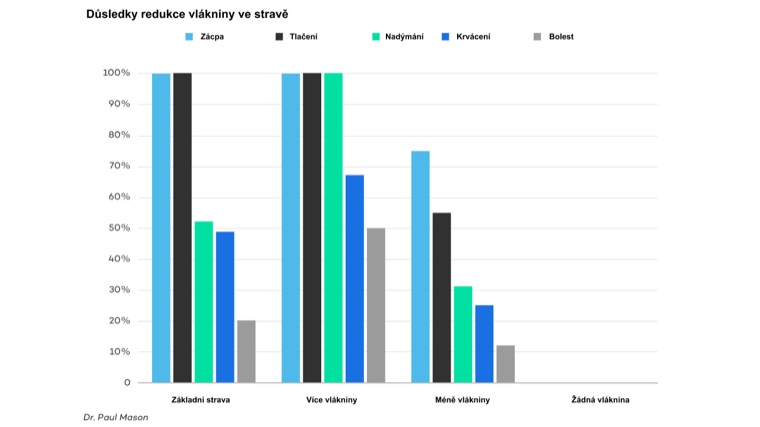
2. What about vitamin C? Won’t I get scurvy?
You won’t. The daily need for vitamin C differs a lot between people whose diet is based on carbohydrates and people who live on meat alone. The reason is that glucose competes with vitamin C for absorption, which means the more carbs you eat, the less vitamin C you’re able to absorb.
On the other hand, if you eat no carbohydrates at all, you absorb all the vitamin C that’s available, even if there’s less of it. So if you get your vitamin C from organs like liver, you can relax completely—but even people who don’t eat organs don’t report any problems with vitamin C deficiency.
3. Will the carnivore diet put me into ketosis?
There’s no simple answer to that. It depends on how much protein you eat and whether your body can use it or turns it into glucose.
If ketosis is what you’re after, focus mainly on fat and eat only as much protein as keeps gluconeogenesis to a minimum—and the only way to find that out is to experiment.
4. What’s the difference between the carnivore diet and the keto diet?
The carnivore diet is stricter about which foods you can eat, and that makes it much simpler than the keto diet. The keto diet lets you eat plants too, as long as they’re low in carbohydrates.
Typical plant foods on a keto diet are avocado, coconut, olive oil, and nuts. In general, you try to limit not only carbohydrates but protein as well.
5. Is the carnivore diet just a fad?
The carnivore diet is nothing new. It’s a way of eating that takes us back to our roots, to the beginnings of our species. Our ancestors were primarily meat-eaters, as I’ve hinted several times in this article.
Although no diet is backed by solid scientific evidence—not even the vegan one—there are plenty of personal stories that show its benefits. So you can be sure the carnivore diet is here to stay, and its popularity will probably grow as its long-term benefits become better documented.
6. Can I drink coffee and tea?
That’s hard to answer definitively. Technically, both are an infusion of plants that contain toxins, but a lot will probably come down to your willpower to give these drinks up if they don’t cause you any problems.
Coffee and tea can have pro-inflammatory effects and can cause some digestive problems, such as leaky gut syndrome. As a big coffee lover and an addict, I’m glad to say I can do without these pleasures—and if nothing else, I fall asleep more easily at night.
If you want to switch to the carnivore diet for health reasons, it would be a good idea to really eliminate everything first, and then, once you’re feeling better, try bringing coffee and tea back. You’ll see how your body reacts.
7. Can I eat eggs and dairy?
Again, there’s no clear-cut answer. Eggs and dairy cause problems for some people, while others are perfectly fine with them. Strictly speaking, they’re animal foods, so eggs, milk, butter, cheese, yogurt, and cream aren’t a bad choice in principle.
The problem is that 1–3% of the population is allergic to egg whites, and a much larger share of people can’t digest lactose. So it’s up to you: if you want to eat eggs and dairy, you’ll have to test how you feel after them.
Is the carnivore diet right for you?
It’s certainly true that there’s no one-size-fits-all way of eating, but with the growing number of carnivores, it’s simply no longer easy to ignore all the stories of healing: autoimmune diseases taking a milder course, extra pounds coming off, better mental health, acne and rheumatism clearing up, diabetes receding.
So if any of the problems above are bothering you, or you simply want to see whether you could feel even better than you do now, you can definitely try the carnivore diet for a few weeks and see for yourself whether it’s worth it.
For me today, it’s mainly about Crohn’s disease. I won’t pretend I never crave fruit, vegetables, bread, beer, or ice cream, but my health matters more to me.