Oxalates (salts of oxalic acid, such as calcium oxalate) are organic compounds that form needle-like crystals. They’re toxic substances that occur naturally in foods like cocoa beans, spinach and other leafy greens.
Eating these toxins over a long period can lead to large amounts of oxalates building up in your body, which brings health problems such as kidney stones.
But when you dramatically cut down or completely eliminate your oxalate intake, your body may suddenly release the oxalates it has stored. This process is called oxalate dumping.
Once your body starts getting rid of oxalates, you may notice some unpleasant effects, such as digestive problems, joint pain and—yes—worse kidney stones.
In this article we’ll look at the causes and symptoms of oxalate dumping, and at ways to ease it.
What are oxalates?
Oxalates are molecules found in plant proteins, typically in leafy greens, nuts, seeds and legumes.
They’re one of the many kinds of plant toxins that are a natural part of plants and act as their defense mechanism against molds and herbivores (and vegans, of course).
Oxalates also help plants regulate their mineral content and metabolic activity. But as with so many plant toxins, what’s good for the plant can be harmful to humans.
This study, for example, shows that excessive amounts of oxalates can damage the kidneys and the digestive system.
Oxalates end up in our bodies in two ways:
Endogenously
- Through our own metabolic processes
Exogenously
- By eating oxalate-rich plants
How can too many oxalates hurt you?
Oxalates damage your body in two ways:
- as reactive substances, they affect other molecules and nutrients in the body
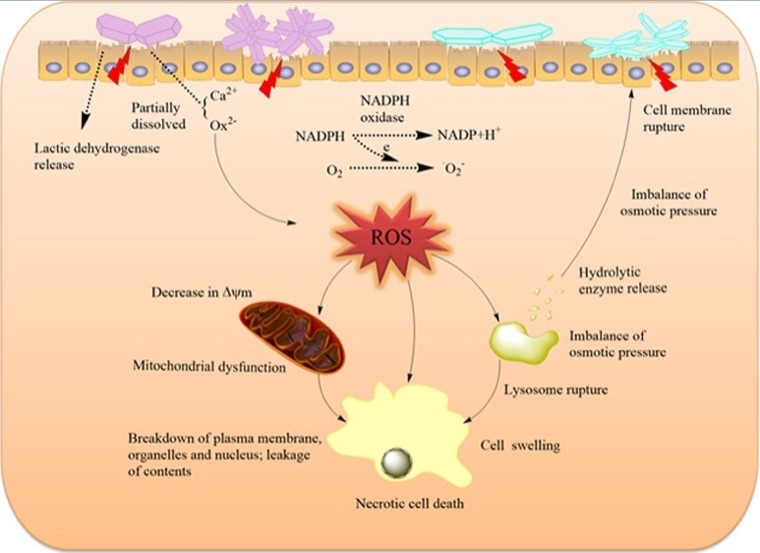
- as an abrasive material, they wear down body tissue, especially in the gut and kidneys
Let’s look at the individual problems oxalates cause in more detail:
- Reduced absorption of minerals
Oxalates bind to calcium, magnesium and iron, which keeps your body from absorbing them properly.
- Higher risk of kidney stones
Oxalate crystals that pile up in the kidneys can lead to kidney stones.
- More inflammation
Inflammation is directly related to high levels of oxalates in the body.
1. Reduced absorption of minerals
When you eat a lot of oxalate-rich food, these toxic substances bind to important minerals such as calcium, magnesium and iron. That keeps your body from absorbing them properly.
Preventing mineral deficiencies starts with cutting down on foods that contain oxalates and eating meat and animal fat, which contain no toxic substances at all.
2. Higher risk of kidney stones
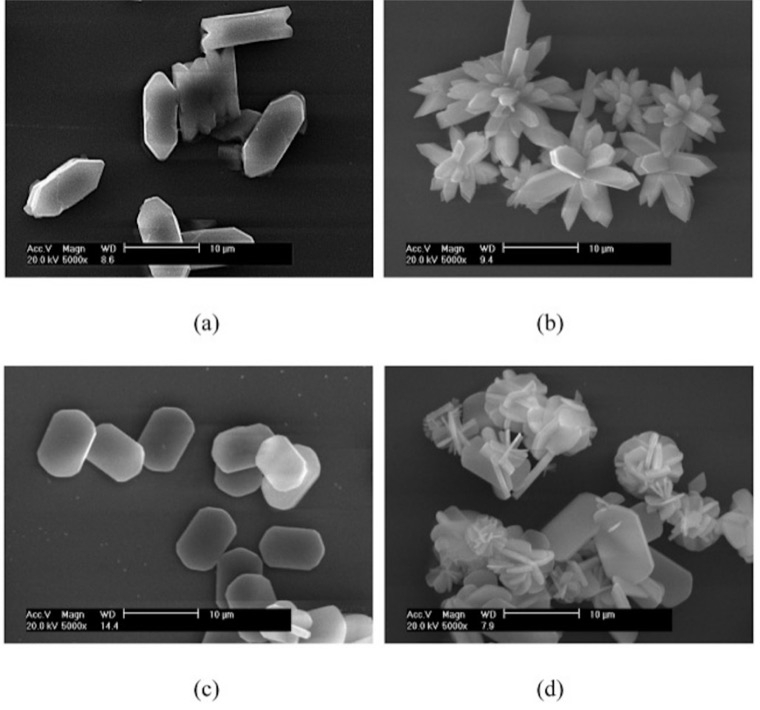
When oxalates bind to calcium, crystals form in the digestive tract. Since we get rid of oxalates mainly through our urine, oxalate crystals that pile up in the kidneys can lead to kidney stones.
Healthy urine contains crystals that are round and well dispersed. Oxalate crystals, however, form large clusters with sharp edges that damage cell structures.
In healthy urine
- Round
- Well dispersed
Oxalate crystals
- Large clusters
- Sharp edges that damage cell structures
3. More inflammation
Inflammation is directly related to high levels of oxalates in the body. Some studies suggest that inflammatory conditions such as psoriasis, leaky gut syndrome and rheumatism can be made worse by eating a diet high in oxalates.
How does the body get rid of oxalates?
When you cut oxalates out of your diet, your body clears them out through your stool and urine, in a process known as oxalate dumping.
This kind of detox, though, can come with some unpleasant symptoms.
- Build-up
Eating oxalates over a long period can lead to large amounts of them building up in the body.
- A sharp cut
Oxalate intake drops dramatically or stops completely, for example the moment someone switches to the carnivore diet.
- Release
The body may suddenly release the oxalates it has stored and clear them out through stool and urine.
- Symptoms
Unpleasant effects such as digestive problems, joint pain and worse kidney stones; they are short-lived and usually go away on their own once the oxalates have been flushed out.
Symptoms of oxalate dumping
Common symptoms while your body is getting rid of oxalates include:
- pain in the joints, neck, stomach or head
- frequent, painful urination
- mood swings
- trouble concentrating
- dizziness
- skin rashes
- fever or chills
These symptoms are short-lived, though, and usually go away on their own once the oxalates have been flushed out of your body. There’s no research showing any long-term effects of oxalate dumping.
The exception is hyperoxaluria, a condition marked by high levels of oxalates in the urine, which can lead to kidney stones and long-term kidney damage.
Oxalate dumping on the carnivore diet
The moment you switch to the carnivore diet, you stop eating every food that contains oxalates—and that can kick off oxalate dumping.
That’s why it’s a good idea to cut down on oxalates gradually and give your body enough time to adjust to lower oxalate levels.
This goes double for vegans who decide to go from their five bowls of raw spinach a day straight to a fatty steak, overnight.
How to ease oxalate dumping symptoms
- Cut down the amount of oxalates you eat gradually, by about 10% a week.
- Get more calcium from foods rich in vitamins D and K2, such as eggs, cheese, cream and liver. Studies show that more calcium means less oxalate in the urine. Aim for about 1,000–1,200 mg of calcium a day.
- Avoid vitamin C supplements, because your body can convert vitamin C into oxalates.
- Stay well hydrated, and drink only plain water.
- Eat oxalate-containing vegetables only cooked, which cuts the oxalates they contain by up to 80%.
Which foods to avoid
Plants high in oxalates include, for example:
- rhubarb
- dark and leafy greens (spinach, Swiss chard, beet greens)
- soy and soy products
- chocolate
- black tea
- raspberries and blackberries
- wheat bran