
Wheat is one of the most popular grains on the planet, and you’ll find it in almost every meal. Global wheat production in 2022 came to roughly 778 million metric tons—about 4 million tons more than the year before.
Wheat is in every kind of bread and baked good, breakfast cereals, cookies, pancakes, waffles, cakes and, of course, pasta and pizza.
When it comes to what eating wheat does to human health, though, there are quite a few studies linking wheat to inflammatory diseases.
Here are a few of the ways wheat contributes to inflammation:
- it drives excessive carbohydrate intake
- it damages tissue through its lectins
- it contains mycotoxins
- it contains pesticides
In this article we’ll go through each of these problems, with links to the relevant studies and what they found.
What is inflammation?
Broadly speaking, inflammation is the body’s natural response to tissue damage. It’s a defense system that helps you fight infection, heal injuries and get rid of toxic substances.
When this system works the way it should, an inflammatory process lasts anywhere from a few hours to a few days.
But if you expose your body to things that trigger inflammation over and over, for a long time, an acute inflammatory response can turn chronic. Chronic inflammation can drag on for months or even years, damaging tissues and organs and leading to all sorts of diseases. 1
Modern life comes with stress, a high carbohydrate intake and a steady diet of plant toxins such as gluten and lectins. On top of that, there’s usually long-term medication to ease the health problems that result. Unfortunately, this conventional treatment only deals with the symptoms, not the cause. 2
A textbook example is idiopathic inflammatory bowel disease, a whole group of chronic autoimmune diseases of the digestive tract. These diseases are considered incurable, and they swing between periods of calm (remission) and flare-ups (relapse).
The World Health Organization considers diseases linked to chronic inflammation the leading cause of death worldwide.
The most common inflammatory diseases include:
- stroke
- respiratory diseases
- heart disease
- cancer
- obesity
- diabetes
- neurological disorders
The rates of these chronic diseases are expected to rise dramatically over the coming decades. The question is: what’s causing them?
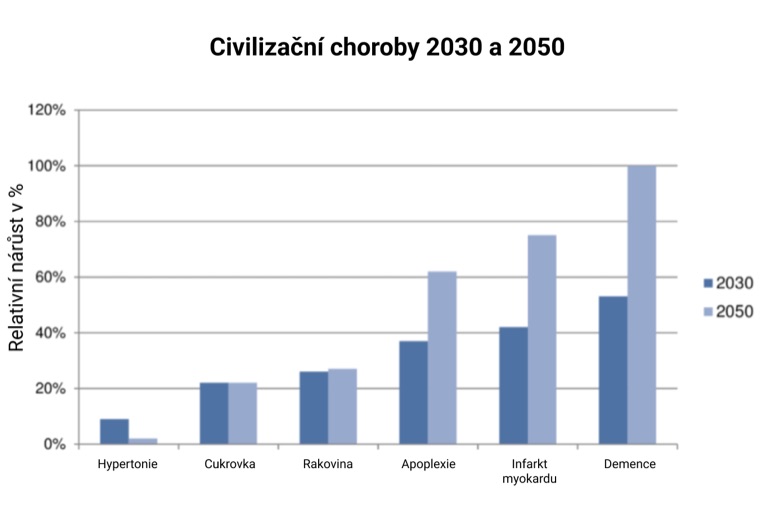
Today our genes are exposed to conditions completely different from the ones they’re adapted to. We’re constantly stressed, we barely move, we live with anxiety—and on top of that, we get most of our energy from grains and toxic industrial seed oils.
Carbohydrates and inflammation
A large number of studies have shown that a high-carbohydrate diet promotes chronic inflammation. The inflammatory effect of carbs is most obvious when you compare it with eating low-carb, high-fat foods. 345
All grains are extremely high in carbohydrates (starches), which start breaking down into simpler sugars (maltose and dextrins) right in your mouth, thanks to the amylase in your saliva.
Wheat is 74% starch by dry weight, as you can see in the table below.
| Staple crop | Starch content (% of dry weight) |
|---|---|
| Rice | 89 |
| Potatoes | 82 |
| Cassava | 77 |
| Barley | 75 |
| Wheat | 74 |
| Sorghum | 74 |
| Rye | 72 |
| Sweet potatoes | 72 |
| Corn | 71 |
| Peas | 40 |
So 100 grams (3.5 oz) of wheat holds as much sugar as two cans of Coke.

Dr. David Perlmutter, author of Grain Brain, concluded from decades of research that a high intake of carbohydrates and gluten causes chronic inflammation in the brain and leads to anxiety, depression and Alzheimer’s disease. 6
His book is also available as an e-book—for example, on Amazon.

Grains, glycation and inflammation
The main way grains contribute to chronic disease is through a process called glycation. That’s when glucose molecules bind to proteins, fats, RNA and DNA and damage them.
These glucose bonds create toxic compounds called AGEs (advanced glycation end-products), which cause inflammation and oxidative stress. 7
One example is glucose binding to collagen, which makes it brittle and less elastic and speeds up the aging of your skin.
Over time, eating grains leads to toxic compounds building up in various tissues of the body, which contributes to the development of chronic disease. 89
Chronic diseases linked to glycation include:
- a weakened immune system 10
- Alzheimer’s disease 11
- kidney failure 12
- diabetes
- vision damage 13
- PCOS (in Czech) 14
- endometriosis (in Czech) 15
- high blood pressure 16
- heart disease 17
- cancer and resistance to chemotherapy 18
Gluten
Gluten is a type of protein found in most grains, and so in anything made from flour, like bread and pasta. Gluten is what makes bread fluffy and soft.
Gluten intolerance is attributed to a genetic disorder known as celiac disease (in Czech), which causes inflammation and damage in the gut. 1920
But it turns out gluten can cause inflammation even in people who don’t have celiac disease.
That’s because grains naturally contain toxic pesticides that set off an inflammatory response whether or not a person has celiac disease. 2122
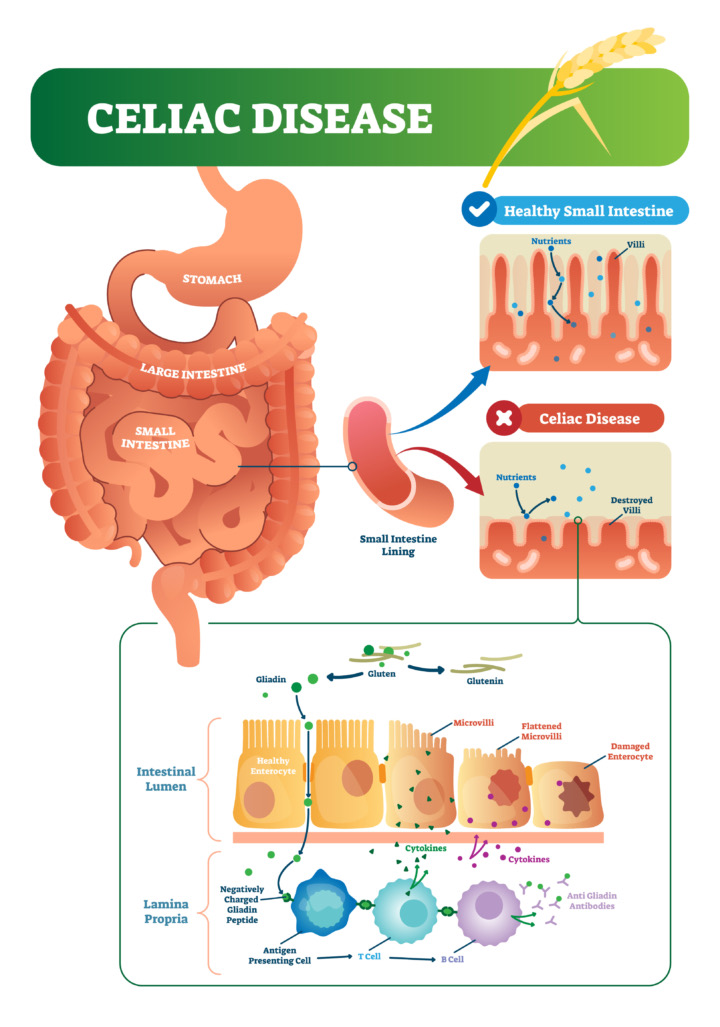
The inflammation gluten causes is tied to a protein called gliadin. The body sees this protein as a threat, and the immune system releases inflammatory cytokines that damage the gut lining.
Over time, this inflammatory process can lead to leaky gut, which lets pathogens into the bloodstream, where they settle in various organs and cause more inflammation. 23
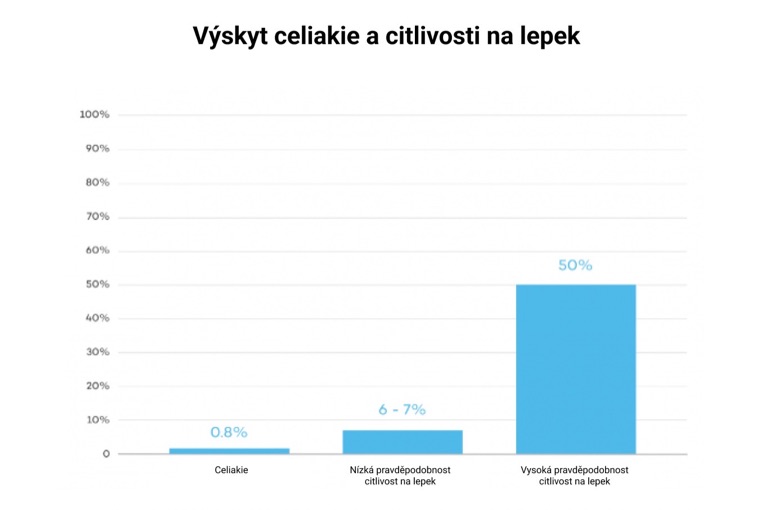
Studies have shown that as soon as 15 hours after you eat grains containing gluten, gliadin gets into your blood and spreads from there throughout your body.
Cutting out gluten-containing grains has been shown to reduce the symptoms of inflammatory arthritis, even in patients for whom conventional drug treatment has failed. 24
Gluten is most closely associated with wheat, but other grains contain enough of it to trigger an inflammatory response too. They include:
- barley
- oats
- rye
- spelt
- Kamut
Eating these grains regularly exposes your body to the harmful effects of gluten again and again, and can lead to chronic inflammation.
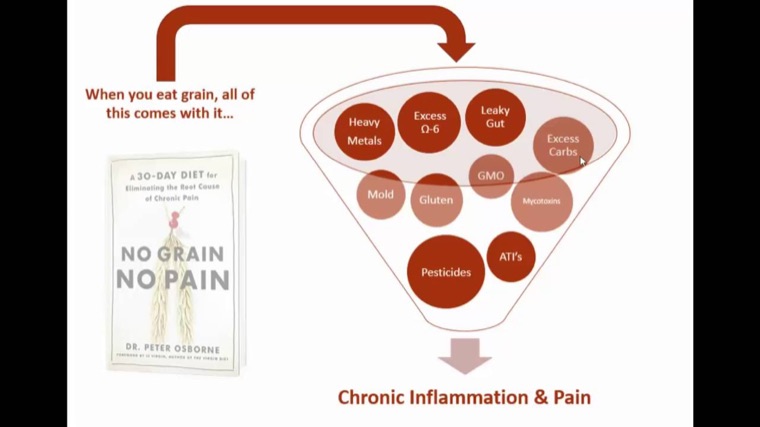
Take a look at this video by Dr. Osborne, in which he explains how cutting gluten out of your diet can help you.
Pesticides
Glyphosate is a pesticide used in grain farming to kill weeds. According to the World Health Organization, however, it is “probably carcinogenic.”
Once glyphosate gets into your gut, it strongly stimulates zonulin, a highly inflammatory protein. 25

The presence of zonulin is considered the main signal of impaired gut-wall function and a reason autoimmune, neurodegenerative and cancerous diseases develop. 26
Once the gut wall is damaged, zonulin can get into the bloodstream and spread inflammation to other parts of the body. That makes the combination of gluten and glyphosate a powerful driver of gut and whole-body inflammation.
Another reason to steer clear of oatmeal is that in the US, glyphosate is used on a third of the wheat crop and almost the entire oat crop. 27
One recent study found glyphosate in 28 of the oat products for children it tested, and in 26 of them the amount was above the permitted limit.
The Canadian Food Inspection Agency found glyphosate in the following share of samples of popular foods.
| Product | Samples containing glyphosate (%) |
|---|---|
| Pizza | 90 |
| Wheat flour | 88 |
| Cookies | 84 |
| Pasta | 84 |
| Rolled oats | 75 |
| Chickpeas | 70 |
| Lentils | 67 |
Bacterial overgrowth and leaky gut
Recent studies have shown that eating a lot of carbohydrates makes harmful bacteria in the gut grow while killing off the beneficial ones—the ones that protect the gut against endotoxins and strengthen the gut membrane. 28
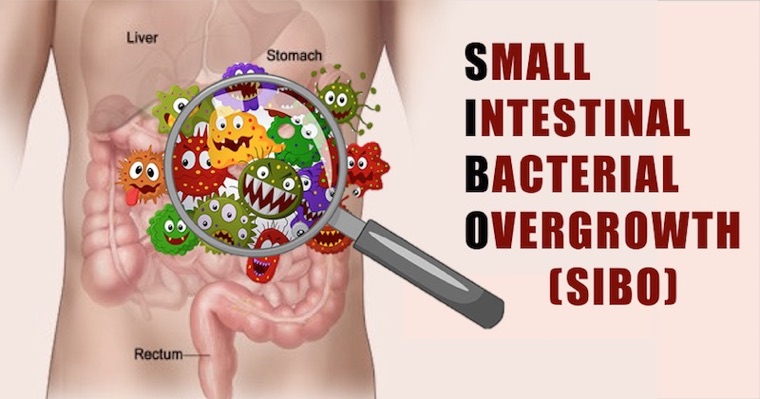
This two-pronged frontal assault by sugar weakens the gut lining and makes the gut more permeable. Harmful substances from grains and bits of food then slip into the bloodstream and travel to other organs, which leads to inflammation. 2930
It has been shown that almost all grains fall into the FODMAPs category—fermentable carbohydrates that should be cut from the diet, especially by people who suffer from bacterial overgrowth and leaky gut syndrome. 3132
Lectins
Most grains contain large amounts of lectins—sticky proteins that bind to carbohydrates.
Your body treats lectins in the gut as toxic substances, which leads to inflammation and then to leaky gut.
Lectins can also get through the gut wall into the bloodstream and then attach to various tissues, which spreads the inflammation.

Mycotoxins
Mycotoxins are poisonous substances produced by fungi and molds, found in contaminated grains.
They’re a growing problem, because climate change means grains are being stored in damper, warmer conditions.
This study showed that in Zimbabwe, for example, 13–25% of wheat and 50% of corn was contaminated with mycotoxins.

Your body treats mycotoxins as a toxic threat and releases pro-inflammatory cytokines that bind to cell receptors.
That causes autoimmune problems that lead to clogged blood vessels, various cancers and nerve disorders.
Sources
- The inflammation theory of disease ↩
- Chronic inflammatory diseases are stimulated by current lifestyle: how diet, stress levels and medication prevent our body from recovering ↩
- A high-carbohydrate diet induces greater inflammation than a high-fat diet in mouse skeletal muscle ↩
- High carbohydrate intakes may predict more inflammatory status than high fat intakes in pre-menopause women with overweight or obesity: a cross-sectional study ↩
- Effect of High Carbohydrate Diet on Complete Freund’s Adjuvant Induced Inflammation in Rats ↩
- A high-carb diet may lead to brain inflammation, says Dr. David Perlmutter ↩
- Involvement of advanced glycation end-products (AGEs) in Alzheimer’s disease ↩
- The receptor for advanced glycation end-products (RAGE) is an important pattern recognition receptor (PRR) for inflammaging ↩
- AGEs and their interaction with AGE-receptors in vascular disease and diabetes mellitus. I. The AGE concept ↩
- Immunogenicity of advanced glycation end products in diabetic patients and in nephropathic non-diabetic patients on hemodialysis or after renal transplantation ↩
- Involvement of advanced glycation end-products (AGEs) in Alzheimer’s disease ↩
- Advanced glycation end-products and the kidney ↩
- Too sweet: Problems of protein glycation in the eye ↩
- Advanced Glycation End Products: Link between Diet and Ovulatory Dysfunction in PCOS? ↩
- Concentrations of receptor for advanced glycation end products, VEGF and CML in plasma, follicular fluid, and peritoneal fluid in women with and without endometriosis ↩
- Role of advanced glycation end products in hypertension and atherosclerosis: therapeutic implications ↩
- Relationship of Advanced Glycation End Products With Cardiovascular Disease in Menopausal Women ↩
- Cancer Malignancy Is Enhanced by Glyceraldehyde-Derived Advanced Glycation End-Products ↩
- Celiac disease: a comprehensive current review ↩
- The lectin properties of gluten as the basis of the pathomechanism of gluten-sensitive enteropathy ↩
- Wheat amylase trypsin inhibitors drive intestinal inflammation via activation of toll-like receptor 4 ↩
- Intestinal cell damage and systemic immune activation in individuals reporting sensitivity to wheat in the absence of coeliac disease ↩
- Gliadin Induces an Increase in Intestinal Permeability and Zonulin Release by Binding to the Chemokine Receptor CXCR3 ↩
- Efficacy of gluten-free diet in patients with rheumatoid arthritis ↩
- Targeting zonulin and intestinal epithelial barrier function to prevent onset of arthritis ↩
- Zonulin, regulation of tight junctions, and autoimmune diseases ↩
- 100 Percent of Oat Products Tested Positive for Glyphosate ↩
- High Intake of Sugar and the Balance between Pro- and Anti-Inflammatory Gut Bacteria ↩
- Gut microbiota, intestinal permeability, obesity-induced inflammation, and liver injury ↩
- Causality of small and large intestinal microbiota in weight regulation and insulin resistance ↩
- Low-FODMAP Diet for Treatment of Irritable Bowel Syndrome ↩
- Small Intestinal Bacterial Overgrowth ↩